Phishing resistant mfa works by using cryptographic keys bound specifically to legitimate websites to verify identity. This makes the security mechanism resistant to interception, replays, and social engineering.
 TechMediaArch.com |
| Cryptographic key securing a website shield |
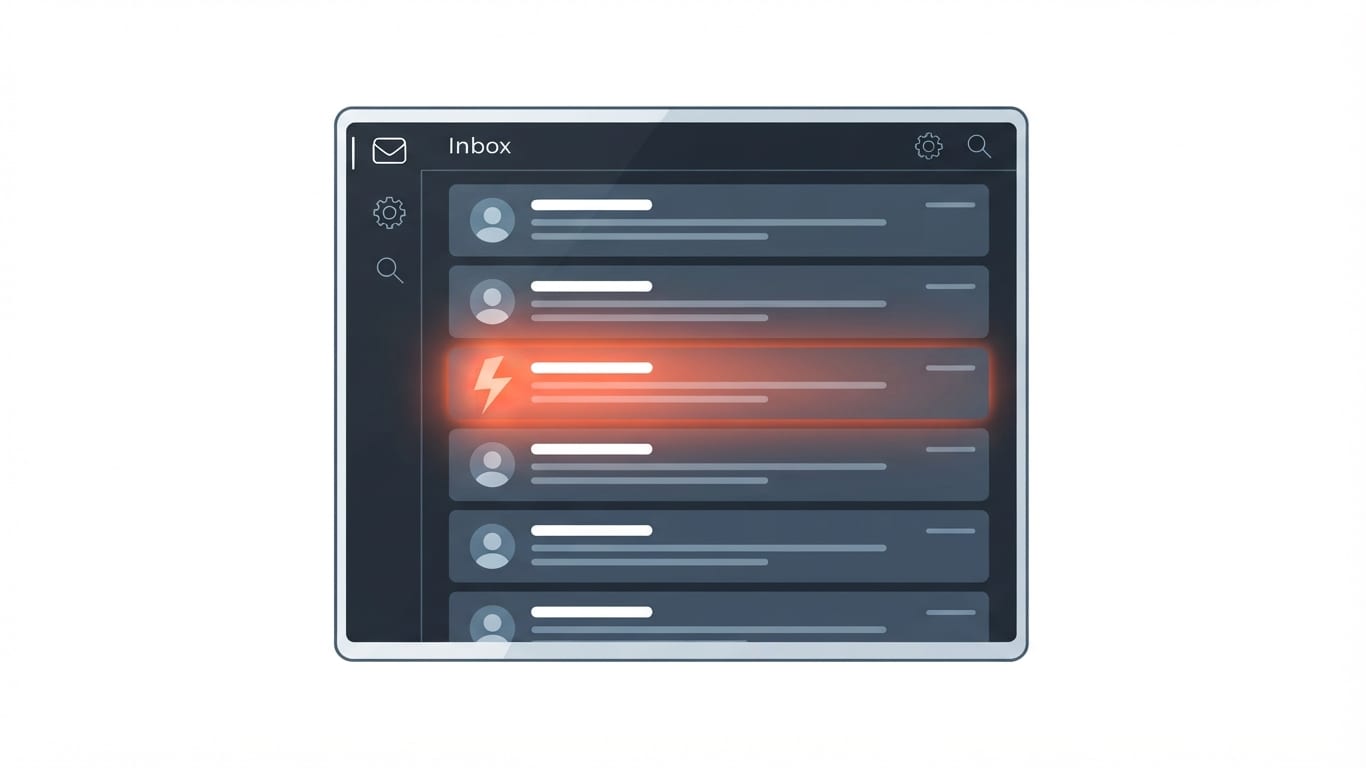
Understanding the Mechanics of Fraudulent Messaging
IBM reports that phishing is a type of cyberattack that uses fraudulent emails, text messages, phone calls, or websites to trick individuals into sharing sensitive data or downloading malware. CISA notes that these attacks operate by using electronic communication to solicit personal information while posing as a trustworthy organization or individual.
IBM points out that it accounts for 15% of all reported data breaches, with an average cost of USD 4.88 million per breach. To understand the broader scope of these operations, readers can explore What Are Phishing Emails and How Do Cyberattacks Work? for additional context on message delivery.
The Linguistic Evolution of Digital Scams
SlashGear explains that the term phishing originated because scammers are fishing around for a user's private information in digital streams. Historical internet archives on Reddit show that this terminology was first recorded and used on January 2, 1996, within a Usenet newsgroup called alt.online-service.america-online.
SlashGear adds that the unconventional ph spelling in phishing is historically attributed as a throwback to phreaking. This earlier term was a portmanteau of phone and freak used in early telecommunication hacking.
Early hackers modified analog telephone hardware to place free long-distance calls and manipulate switching systems.
Human Vulnerability and Social Engineering Tactics
CISA formally classifies phishing as a form of social engineering because it exploits human error and psychological manipulation rather than breaking direct technological vulnerabilities.
- IBM explains that these attacks successfully bypass technical safeguards by leveraging pressure tactics
- IBM notes they leverage fake stories
- IBM states they use authority figures
- IBM adds they exploit human trust
- Attackers manipulate individual emotions to encourage immediate compliance before critical thinking can intervene
CISA states that the broader category encompasses specialized sub-tactics. These include voice-based attacks, known as vishing, and text-message-based attacks, known as smishing, to manipulate victims into divulging data.
Organizations often pair identity defenses with architectures discussed in What Are Zero Trust Security Models: A Complete Guide to mitigate these human-factor risks.
Voice interactions add a layer of perceived authenticity to fraudulent requests. Automated text messaging campaigns distribute malicious links directly to mobile devices. Users frequently exhibit lower suspicion levels when interacting with telephony channels compared to traditional email.
The Myth of Grammar-Based Detection Methods
CISA notes that traditional indicators of phishing used to include obvious spelling mistakes and bad grammar. However, these signs are no longer reliable on their own.
Security teams can no longer depend on poorly translated phrasing to flag malicious inbound traffic.
Modern threat actors routinely utilize artificial intelligence writing tools and native speakers to craft messages that exhibit perfect grammar and spelling. Adaptive reports that relying on grammar-based detection fails because generative AI removes the awkward syntax and typos that historically exposed fraudulent email language.
Automated content generators produce polished prose indistinguishable from legitimate corporate communications. This technological shift renders legacy signature-based filters obsolete against advanced campaigns. Security analysts must shift focus from message formatting to underlying authentication mechanics.
 TechMediaArch.com |
| Phishing hook failing to capture secure credentials |
Cryptographic Defenses and Domain Binding
CISA defines phishing-resistant mfa as a secure multifactor authentication method utilizing cryptographic keys bound specifically to legitimate websites to verify identity. IBM explains that the system works by verifying both who the user is and the specific website domain they are authenticating to.
This renders credentials cryptographically impossible to relay to a different domain.
IBM notes that commercially available FIDO authenticators paired with the W3C Web Authentication API and hardware-bound passkeys are primary examples of these tools. For a deeper look into baseline attack execution, review What Are Phishing Attacks and How Do They Work to see how standard credentials fail against domain relay.
When a user attempts to sign in, the hardware token checks the cryptographic challenge against the exact browser domain. If a malicious proxy attempts to intercept the session on a fraudulent URL, the authenticator refuses to sign the challenge.
This domain binding completely invalidates man-in-the-middle interception techniques used by modern cybercriminals.
Federal Standards and Hardware Requirements
NIST finalized guidelines mandating phishing-resistant authentication at Authenticator Assurance Level 3, requiring hardware-bound, non-exportable private keys. CISA notes that for U.S. federal employees, Personal Identity Verification cards serve as a ubiquitous form of authentication that leverages public-key cryptography.
Organizations implementing these strict compliance measures typically deploy specific technical controls. Key deployment components include:
- Hardware-bound cryptographic keys stored securely on physical tokens
- Strict origin binding that matches the exact browser domain
- Non-exportable private keys that cannot be copied or transferred
- Standardized protocols such as the W3C Web Authentication API
- Physical user verification steps like biometric scans or tap gestures
Hardware enforcement eliminates the vulnerabilities inherent in software-only tokens like SMS codes or push notifications. Private keys reside exclusively within secure cryptographic chips that cannot be extracted over network connections.
End users must interact physically with the device to authorize each distinct login session.
FAQ
what is phishing resistant mfa
CISA defines phishing-resistant mfa as a secure multifactor authentication method utilizing cryptographic keys bound specifically to legitimate websites to verify identity. This makes the system completely resistant to interception, replays, and social engineering.
how does phishing work
IBM explains that phishing works by using fraudulent emails, text messages, phone calls, or websites to trick individuals into sharing sensitive data or downloading malware. CISA notes these attacks operate by using electronic communication to solicit personal information while posing as a trustworthy organization or individual.
why phishing and not fishing
SlashGear states that the term phishing originated because scammers are fishing around for a user's private information in digital streams. SlashGear adds that the unconventional ph spelling is historically attributed as a throwback to phreaking.
is phishing a form of social engineering
CISA formally classifies phishing as a form of social engineering because it exploits human error and psychological manipulation rather than breaking direct technological vulnerabilities. IBM notes that these attacks successfully bypass technical safeguards by leveraging pressure tactics, fake stories, authority figures, and human trust.
can phishing be identified by bad grammar
CISA notes that traditional indicators of phishing used to include obvious spelling mistakes and bad grammar, but these signs are no longer reliable on their own. Adaptive reports that relying on grammar-based detection fails because modern threat actors use generative AI to remove awkward syntax and typos.