Ransomware typically gets installed on a computer through deceptive emails, unpatched software vulnerabilities, or compromised remote access credentials. Once inside, the malware executes multi-stage attacks to lock systems and demand payment.
 TechMediaArch.com TechMediaArch.com |
| Digital padlock on a computer screen representing ransomware infection |
Defining Ransomware and Its Core Mechanics
NIST defines ransomware as a type of malicious attack where attackers encrypt an organization's data and demand payment to restore access. CISA describes it as an ever-evolving form of malware designed to encrypt files on a device, rendering any files and the systems that rely on them unusable.
The FBI adds that threat actors use this software to infect computers and computer files until a ransom is paid. Readers exploring foundational concepts can review the detailed overview found in What is Ransomware in Cyber Security: A Complete Guide for broader context.
Beyond simple file locking, attackers in a ransomware event may also steal an organization's information and demand an additional payment in return for not disclosing the information to authorities, competitors, or the public, according to NIST. The core mechanism relies on denying access to vital system resources until a financial transfer occurs.
Initial Access Vectors and Delivery Methods
Initial compromise relies on several common techniques to breach a perimeter. CISA reports that ransomware can enter a system through phishing emails containing malicious attachments or links, or by tricking a victim into downloading an infected program or tool.
For a deeper look at the primary entry vector described in What Are Phishing Emails and How Do Cyberattacks Work?, security teams track how initial lures bypass user skepticism.
Attackers frequently use Windows Remote Desktop Protocol by guessing credentials to log in to a network or computer and deploy ransomware directly, according to IBM. NetWitness notes that threat actors also take advantage of unpatched software with exploit kits, exposed remote desktop servers, and purchased dark web stolen credentials to initiate attacks.
Heimdal Security explains that drive-by downloading is another entry method where a program is automatically downloaded when a user unknowingly visits an infected website.
Multi-Stage Progression in Computer Science Operations
In computer science and cybersecurity operations, ransomware attacks involve multi-stage progression steps, typically sequence-ordered from initial compromise and execution to privilege escalation, lateral movement, data theft, and encryption, according to CISA. Advanced threat actors often use precursor dropper malware, such as Emotet, QakBot, or Bumblebee, to establish initial network access before deploying ransomware payloads.
Understanding What Are Zero Trust Security Models: A Complete Guide helps administrators visualize how compartmentalized network permissions block this multi-stage progression. Without proper segmentation, threat actors easily transition from a single user workstation to core domain controllers.
Recognizing these precursor signs helps security analysts halt the attack sequence early.
Lateral Movement and Network Propagation
After initial compromise, malicious actors engage in lateral movement to target critical data and propagate ransomware across entire networks, as outlined by CISA. Certain ransomware strains exhibit worm-like behavior, self-propagating by scanning local networks for devices with known vulnerabilities and exploiting those weaknesses, according to Security+.
Once a computer is compromised, the infection can spread to other connected computers on the network, including shared storage drives and accessible network shares.
The Reddit sysadmin community notes that older and newer ransomware variants specifically search for mapped network drives, Universal Naming Convention paths, and any network-connected device with write access to infect them like local storage.
This automated spread answers whether ransomware can spread to multiple computers on a network by confirming that active network links provide a direct pathway for infection.
Network propagation relies heavily on trust relationships established between internal hosts. Automated scanning tools quickly map out the internal topology to locate high-value data repositories. Stopping this internal spread requires robust network segmentation and strict access controls.
 TechMediaArch.com TechMediaArch.com |
| Cybersecurity shield blocking phishing emails |
Technical Encryption and Data Destruction
Modern ransomware converts readable information into ciphertext by using fast symmetric encryption to lock data quickly, and then uses asymmetric encryption to encrypt the original symmetric key, according to Security+.
CISA notes that ransomware typically identifies the drives on an infected system, begins encrypting files within each drive, and adds a unique file extension such as locky, encrypted, or petya. This dual-encryption method ensures maximum speed during the scrambling phase while keeping the master decryption key strictly guarded by the attackers.
Security+ explains that ransomware often deletes Windows Volume Shadow Copies and targets additional backups to prevent file restoration without paying. Following encryption, ransomware creates and displays one or more files containing instructions on how the victim can pay a ransom, according to CISA.
These dropped ransom notes detail the exact cryptocurrency wallet addresses and communication channels required to receive the decryption utility.
The destruction of local backup repositories is a calculated step to eliminate alternative recovery options. This technical design forces victims to evaluate the financial cost of the ransom against the value of lost data.
Advanced cryptographic implementations ensure that manual decryption without the private key remains computationally impossible.
Extortion Tactics and Global Threat Trends
As part of modern double-extortion techniques, ransomware operators exfiltrate sensitive victim data and threaten to leak or sell it publicly if demands are met or refused, according to CISA. Active ransomware and extortion groups rose 49% year-over-year globally from 73 groups in 2024 to 109 groups in 2025, according to IBM.
This dramatic increase reflects the high financial profitability of combining file encryption with data theft and public shaming campaigns.
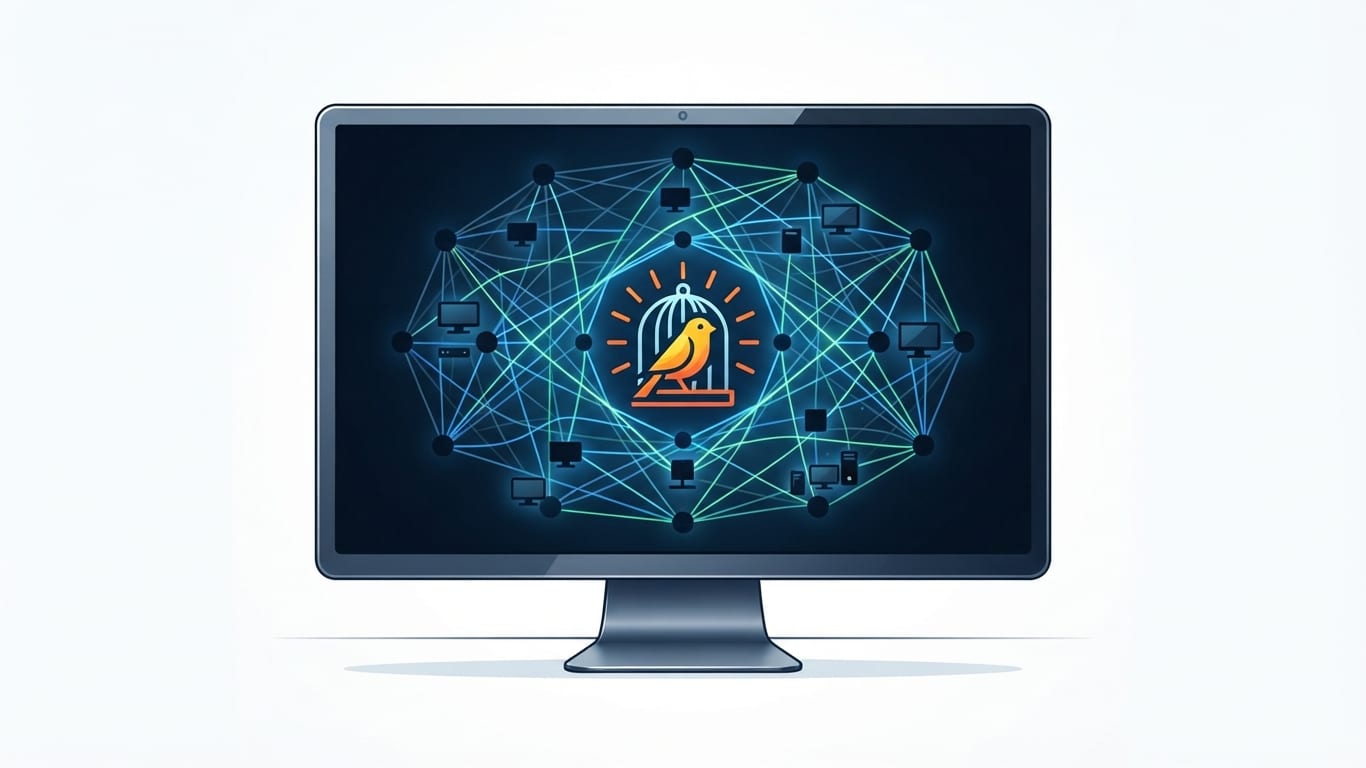
Organizations hit by ransomware are advised to maintain offline, encrypted backups and regularly test them as a primary defense, according to CISA. Implementing active defense tools, such as the strategies discussed in What Are Ransomware Canary Files and How They Work, gives administrators early warning alerts when automated file manipulation begins.
Combining immutable backups with continuous monitoring remains the most effective strategy against evolving extortion rings.
Threat actor groups continue to professionalize their operations with dedicated customer support portals for victims. The rapid growth in active syndicates highlights the urgent need for collaborative international law enforcement responses.
Organizations must adapt their security strategies to counter these advanced psychological and technical pressure tactics.
Preventive Security Measures
Defending against these complex infection chains requires a structured approach to endpoint and network hardening. Organizations deploy multiple overlapping controls to stop attackers before encryption payloads execute. The following steps outline essential defensive actions:
- Patch all operating systems and software vulnerabilities promptly to eliminate exploit kit entry points.
- Secure remote access gateways with multi-factor authentication and strict IP whitelisting.
- Maintain offline, encrypted backups and conduct regular restoration drills to ensure data recoverability.
- Segment internal networks to restrict lateral movement and stop worm-like propagation.
- Train employees to recognize phishing emails and unauthorized software download prompts.
FAQ
What is ransomware in computer science?
In computer science, ransomware is classified as advanced malware that utilizes cryptographic algorithms to alter file structures and deny access to computing resources until a financial transaction is completed.
How does ransomware typically work?
Ransomware typically works by breaching a system via phishing or exposed credentials, escalating privileges, moving laterally across networks, encrypting local and shared files, and demanding payment for the decryption key.
Can ransomware spread to multiple computers on a network?
Yes, ransomware can rapidly spread to multiple computers on a network by exploiting network shares, mapped drives, and vulnerabilities using automated worm-like scanning behaviors.
What does ransomware do to data on your computer?
Ransomware converts readable data into encrypted ciphertext, appends a unique file extension, deletes local backup copies like Volume Shadow Shadows, and leaves text instructions detailing ransom payment steps.
What are ransomware in computer science attack vectors?
Attack vectors in computer science include phishing emails with malicious payloads, exposed remote desktop protocol ports, unpatched software vulnerabilities, and compromised third-party credentials.