Demystifying Search Engine Optimization: Core Definitions and Objectives
SEO stands for search engine optimization, which is the practice of enhancing a website's technical configuration, content relevance, and link popularity to improve its visibility and ranking in organic search engine results pages (SERPs). Technology publishers and industry observers note that the main objective of SEO is to make it easier for automated search engine crawlers to explore, index, and understand content while helping human users find relevant answers or products without paying for ads. Understanding this foundational mechanism is essential for anyone evaluating organic visibility, especially as organizations adapt to automated generation tools explored in discussions on Meet Harbor: The AI SEO Blog Writer that Dominates Google Rankings.
 TechMediaArch.com TechMediaArch.com |
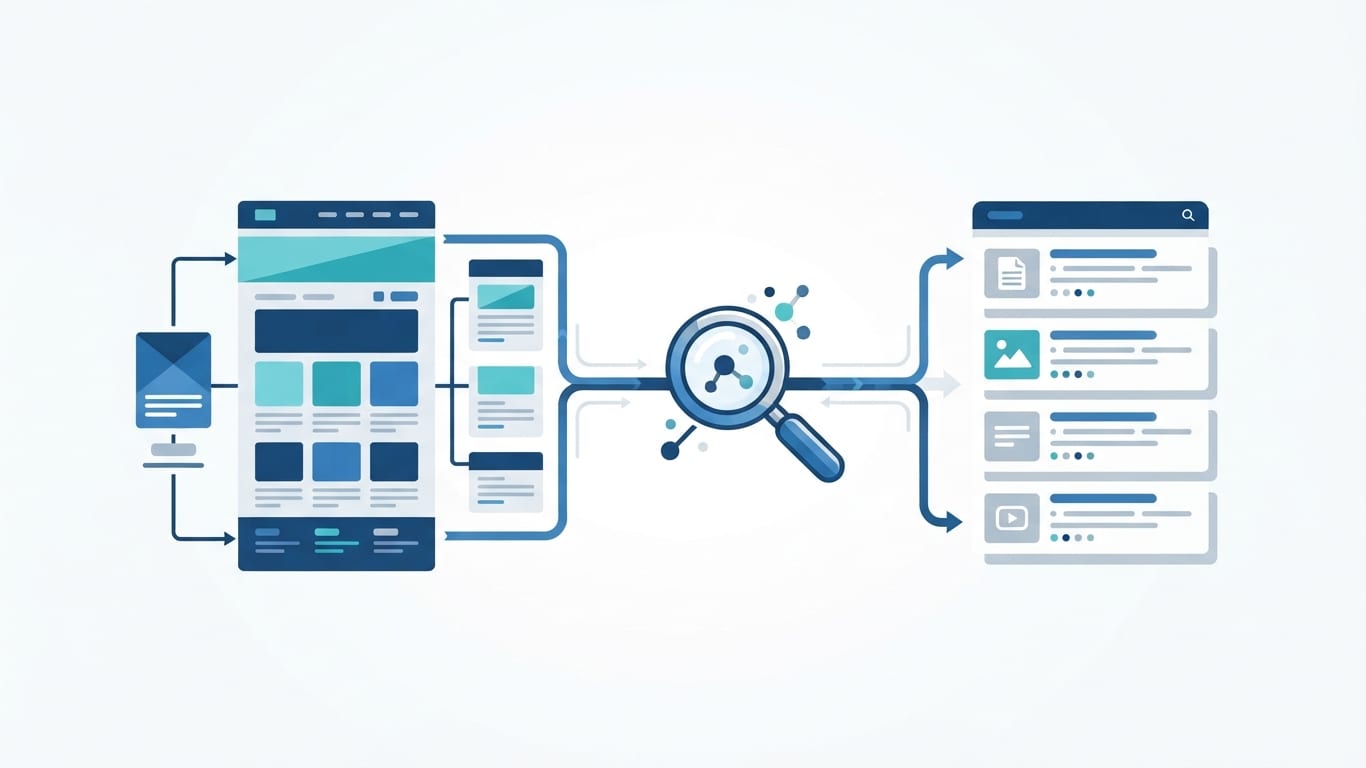
| Digital website structure and search engine optimization concepts |
When examining the terminology used across the digital landscape, the acronym "SEOs" commonly refers to either search engine optimization strategies/practices or the professionals and specialists who execute search engine optimization work. These practitioners navigate complex algorithmic updates to ensure websites comply with modern crawler requirements. Whether managing an enterprise portal or a small business hub, technical professionals rely on standardized frameworks to maintain structural integrity, ensuring that human visitors and search robots alike can access information effortlessly.
To fully grasp what search engine optimization achieves, it helps to look at the mechanics of modern search portals. When a user enters a query, automated algorithms comb through billions of indexed documents to serve the most accurate, high-quality matches in milliseconds. Search engine optimization acts as the bridge between website owners and these automated algorithms. By optimizing every facet of a digital asset, publishers clarify what their pages are about, making it simple for crawlers to categorize the material and rank it appropriately for relevant searches.
The Three Pillars of Modern Search Architecture
A well-rounded SEO strategy is built upon content, technical code (structure/performance), and credibility (off-page authority). Industry analysts point out that neglecting any single pillar weakens overall site performance. Content provides the actual answers users seek, technical code ensures automated crawlers can navigate the architecture efficiently, and credibility establishes trust through external validation. Businesses aiming for sustainable visibility often integrate these three elements into their overarching growth plans, as detailed in reports regarding Why SEO Is Important for Business Growth and Visibility.
Balancing these components requires continuous auditing. Technical code involves server responses and clean markup, content requires ongoing editorial refinement, and credibility depends on secure networking and earned mentions. Without this multi-pronged approach, sites frequently struggle to maintain stable rankings in competitive vertical markets. For instance, a website with exceptional content will still underperform if its technical server configuration blocks search engine bots or if it lacks any external votes of confidence.
The first pillar, content, serves as the voice of the website, answering user inquiries with depth and accuracy. The second pillar, technical code, acts as the skeleton and nervous system, ensuring that the site loads rapidly, renders correctly on all devices, and communicates cleanly with search crawlers via error-free code. The third pillar, credibility, functions as the social proof, demonstrating to search algorithms that other authoritative entities in the digital ecosystem trust the website enough to reference it. Harmonizing these three distinct elements creates a robust digital presence capable of withstanding algorithmic shifts.
Mastering Keyword Optimization and Search Intent
Modern SEO best practices require aligning content tightly with user search intent, categorized primarily as informational, transactional, or navigational. Effective keyword practices involve integrating focus keyphrases naturally into title tags, meta descriptions, headers, and body text while avoiding outdated tactics like keyword stuffing. Content creators must prioritize the actual information needs of the reader rather than forcing repetitive phrases into sentences, aligning with broader digital publishing standards.
When writers match search intent accurately, visitor engagement metrics generally improve. Search engines reward pages that satisfy user queries completely, reducing bounce rates and encouraging deeper site exploration. Strategic keyword placement acts as a signpost for crawlers, clarifying the core subject matter of each specific page without disrupting the natural flow of reading.
To execute this effectively, content creators must examine what users actually want when typing a specific phrase into a search bar:
- Informational Intent: Users are looking to learn about a topic, answer a specific question, or solve a problem (e.g., "what are seo best practices").
- Transactional Intent: Users are ready to make a purchase, sign up for a service, or complete a specific conversion action.
- Navigational Intent: Users are trying to locate a specific website, brand portal, or login page.
By mapping content strategy directly to these distinct intent categories, publishers ensure that their messaging resonates immediately with visiting audiences. Placing focus keyphrases strategically within prominent HTML elements—such as the primary title tag, subheadings, and introductory paragraphs—signals topical relevance clearly to search engine crawlers.
Technical and Performance Factors for Crawlers
Improving SEO involves optimizing for Core Web Vitals (such as Largest Contentful Paint and Cumulative Layout Shift), ensuring mobile responsiveness, and compressing images to maximize page loading speed. Automated crawlers penalize sluggish architectures and layouts that shift unexpectedly while loading. Technical engineers must monitor server response times and asset delivery pipelines to satisfy these rigorous performance benchmarks.
Furthermore, maintaining a clean URL structure and using descriptive anchor text in internal links helps pass authority and improves a search engine's crawl depth. Best practices recommend utilizing schema markup in formats like JSON-LD to help search engines understand page meaning and enable rich snippets in search results. These structured data elements provide explicit clues about the meaning of a page, streamlining indexing operations and enhancing visibility in specialized search features.
Performance optimization directly impacts user retention. If a web page takes more than a few seconds to load, potential visitors frequently abandon the site before viewing the content, sending negative behavioral signals to search engines. Technical professionals address this by leveraging modern image compression techniques, utilizing content delivery networks (CDNs), minifying CSS and JavaScript files, and establishing efficient caching policies.
 TechMediaArch.com TechMediaArch.com |
| Analytics graphs and technical SEO compliance checklist |
Navigating the Best Way to Learn SEO
The most effective approach for beginners to learn SEO combines studying foundational concepts from reliable resources (like Google’s SEO Starter Guide or industry blogs like Moz and Ahrefs) with hands-on practice. Industry educators stress that theoretical knowledge alone is insufficient; practical application solidifies core concepts. Building and experimenting on a personal website or safely testing strategies on a company website serves as one of the most practical training grounds for mastering SEO.
In addition to practical environments, learners often accelerate their understanding by taking free or structured certification courses provided by platforms like Coursera, HubSpot Academy, and Google Digital Garage. These programs offer systematic pathways through technical optimization, keyword research, and analytics measurement, providing a solid baseline for aspiring practitioners.
A comprehensive learning roadmap for new practitioners typically involves several distinct stages:
- Studying official documentation and foundational guides to understand how search engine crawlers discover, render, and index web pages.
- Setting up a personal sandbox website to test technical modifications, meta tag adjustments, and content formatting without risking live business assets.
- Completing recognized digital marketing certifications to gain structured insights into analytics interpretation and performance tracking.
- Following trusted industry publications and blogs to stay informed about continuous algorithmic updates and shifting search engine guidelines.
Proven Methods to Improve SEO Performance
Improving SEO requires a holistic method that refines on-page content relevance, upgrades technical site speed, and builds off-page authority simultaneously. Digital strategists emphasize that isolated adjustments rarely yield lasting results across competitive search engine indexes. As automation tools and shifting algorithms alter the landscape—a trend analyzed when considering Is Google Gemini Killing the $1,500/Month SEO Retainer?—site owners must maintain rigid adherence to core optimization principles.
Complementary publishing efforts also play a vital role in maintaining visibility over time. Editorial consistency and targeted topic clusters reinforce a domain's authority within its niche, a dynamic explored further through resources on How Content Marketing Helps SEO and Drives Organic Traffic. Combining technical health with valuable informational assets creates a durable foundation for long-term organic acquisition.
Achieving sustained improvements requires ongoing measurement and iterative refinement. Digital marketers utilize robust analytics suites to track organic traffic growth, keyword ranking fluctuations, and user engagement behaviors. By identifying underperforming pages and updating them with fresher insights, more comprehensive answers, or cleaner technical code, site managers can progressively elevate their entire digital portfolio.
Ethical Link Building and Authority Acquisition
Sustainable backlink acquisition relies on earning editorial links naturally by publishing unique, high-value content, conducting original research, or creating in-depth industry resources that others want to cite. Credible off-page authority is a reflection of genuine industry recognition rather than manipulative networking. Publications and educational bodies rely on objective referencing to validate claims, making high-utility content a magnet for organic citations.
Conversely, buying backlinks or engaging in black-hat manipulation violates major search engine guidelines and risks penalizing a site or removing it from search indexes entirely. Search engine algorithms utilize sophisticated machine learning models to detect unnatural link profiles, rendering shortcut tactics obsolete and dangerous for long-term domain health.
To cultivate a natural, high-performing backlink profile, publishers focus on asset creation strategies that naturally attract attention from peers within their industry. This includes drafting comprehensive guides, producing original data-driven studies, and developing interactive tools that solve complex professional problems. When other reputable sites reference these resources, they pass valuable authority signals that reinforce the host domain's standing in organic search results.
FAQ
What are seo best practices?
SEO best practices encompass a set of tasks designed to improve a website's search engine rankings through technical configuration, relevant content creation, and ethical link building. These guidelines prioritize user search intent, fast page performance, and clean code structures to help automated crawlers index pages effectively.
What is the best way to learn seo?
The most effective approach for beginners to learn SEO combines studying foundational concepts from reliable resources like Google’s SEO Starter Guide with hands-on practice. Building and experimenting on a personal website, alongside taking structured courses from platforms like Coursera or HubSpot Academy, accelerates mastery.
What is the best way to improve seo?
Improving SEO requires a holistic method that refines on-page content relevance, upgrades technical site speed, and builds off-page authority simultaneously. Site owners must monitor Core Web Vitals, align content with user intent, and maintain clean internal linking structures.
What are seo practices?
SEO practices are the standard operational procedures used by professionals to enhance website visibility in organic search results. They include optimizing title tags and meta descriptions, implementing JSON-LD schema markup, and ensuring mobile responsiveness.
What is the best way to get backlinks for seo?
Sustainable backlink acquisition relies on earning editorial links naturally by publishing unique, high-value content, conducting original research, or creating in-depth industry resources. Avoiding unethical tactics like buying backlinks prevents severe penalties from search engine algorithms.
What are seos?
The acronym "seos" commonly refers to either search engine optimization strategies and practices or the digital marketing professionals and specialists who execute optimization work. These practitioners manage technical audits, content relevance, and credibility factors for websites.