Introduction to Email Campaign Foundations
Email marketing best practices refer to the technical, structural, and strategic methods used to ensure messages reach inboxes and engage recipients. Following these standards protects deliverability and maximizes financial return.
 TechMediaArch.com |
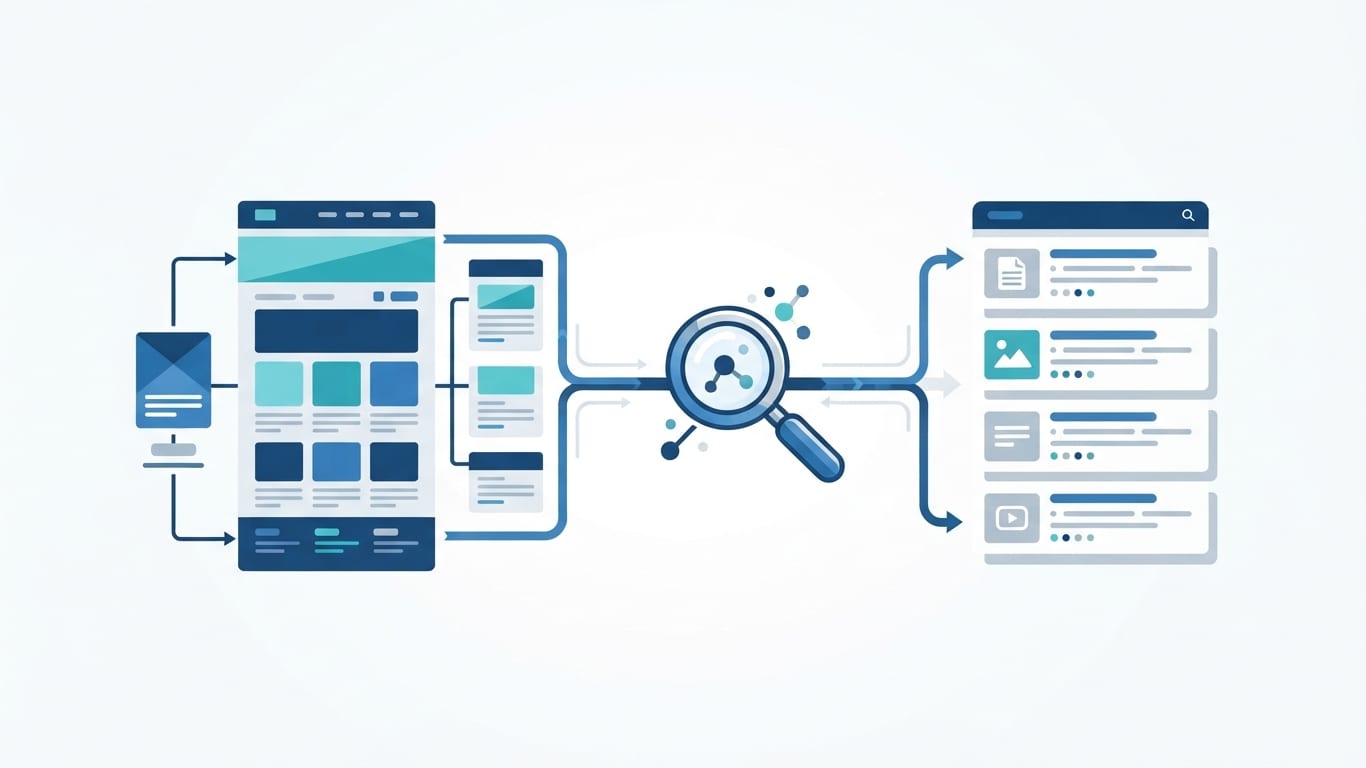
| Digital envelope with glowing metrics and marketing icons |
Professional creators surveyed by Kit rated email as their top channel, assigning it an average importance score of 8.3 out of 10. According to HubSpot's 2025 State of Marketing Report cited by Twilio, email remains the channel with the highest return on investment for business-to-consumer marketing.
Marketers average a $36 return for every $1 spent on email marketing campaigns, according to Kit. A 2020 survey by Litmus documented that email produces an average 36x return on investment.
Because financial returns are exceptionally high across industries, organizations prioritize proper campaign management. Understanding these underlying mechanics ensures promotional dollars convert effectively without risking domain blocklists.
Meeting Technical Authentication Mandates
Beginning in 2024, mailbox providers like Gmail and Yahoo enforced stricter bulk sender requirements, according to Campaign Monitor. Email authentication standards like SPF, DKIM, and DMARC became mandatory to prevent messages from being marked as spam.
Failing to implement these protocols causes mailbox providers to block messages outright. Technical compliance forms the foundational layer of successful email marketing without hitting spam filters.
Purchased or rented email addresses must be avoided immediately, as Wisepops notes they degrade engagement metrics and risk blocklisting by major internet service providers. Maintaining a clean database protects sender reputation across all mailbox providers.
Sender Policy Framework records explicitly authorize specific mail servers to dispatch messages on behalf of a domain. DomainKeys Identified Mail adds a cryptographic signature to verify that the email content has not been altered in transit.
Domain-based Message Authentication, Reporting, and Conformance policies instruct receiving mail servers on how to handle messages that fail SPF or DKIM checks. Configuring these three protocols prevents malicious actors from spoofing brand identities.
Internet service providers monitor bounce rates and spam complaints closely when evaluating incoming traffic. Clean sending practices safeguard sender scores and guarantee messages bypass aggressive spam filters.
Building a Permission-Based Contact List
Strategic website popups convert up to 15% of visitors and serve as an effective mechanism for building large marketing email lists, according to Wisepops. This interactive approach captures active site traffic.
Research from InboxArmy indicates that 60% of people sign up for a brand's email list explicitly to receive promotional material. By comparison, only 20% follow brands on social media for deals.
Understanding how to build an email list for marketing involves offering clear value exchanges. Brands can combine popup forms with preference centers to gather clean subscriber data.
- Deploy targeted website popups on high-traffic pages
- Offer explicit promotional incentives during signup
- Avoid purchasing or renting external contact databases
- Capture user preferences at the point of entry
Incentivizing opt-ins with discount codes or exclusive content dramatically increases conversion rates on landing pages. Consumers willingly share their contact information when the immediate reward aligns with their shopping intent.
Explicit consent forms the cornerstone of sustainable list growth and legal compliance. Gathering permission upfront eliminates friction and ensures subscribers actually want to receive future updates.
Regular list hygiene practices involve removing unengaged subscribers who have not opened a message in months. Purging inactive profiles protects overall sender reputation and lowers infrastructure costs for email service providers.
Structuring Content and Design
Marketing emails structured with a clear layout and visual hierarchy achieve up to 40% higher click-through rates than unstructured messages, according to Smartlead. Clear formatting guides the reader's eye naturally down the page.
Subject lines consisting of eight words or fewer achieve higher open rates, according to Applied Systems. Longer lines tend to truncate on mobile screens before the core value reaches the reader.
Emails originating from a human sender name generate up to 40% more opens compared to emails sent solely from a brand name, as Smartlead reports with examples like Alex at BrandX. Personalization in the sender field builds immediate trust.
Balancing imagery with concise copywriting prevents messages from feeling overwhelming or cluttered. Readers typically scan digital communications, meaning scannable text blocks capture attention faster.
Highlighting primary value propositions near the top of the layout ensures visibility even if a reader only glances at the screen.
Incorporating personalized dynamic content blocks allows brands to tailor product recommendations based on past purchase history. Relevance keeps users invested in the narrative from the headline to the final closing statement.
 TechMediaArch.com |
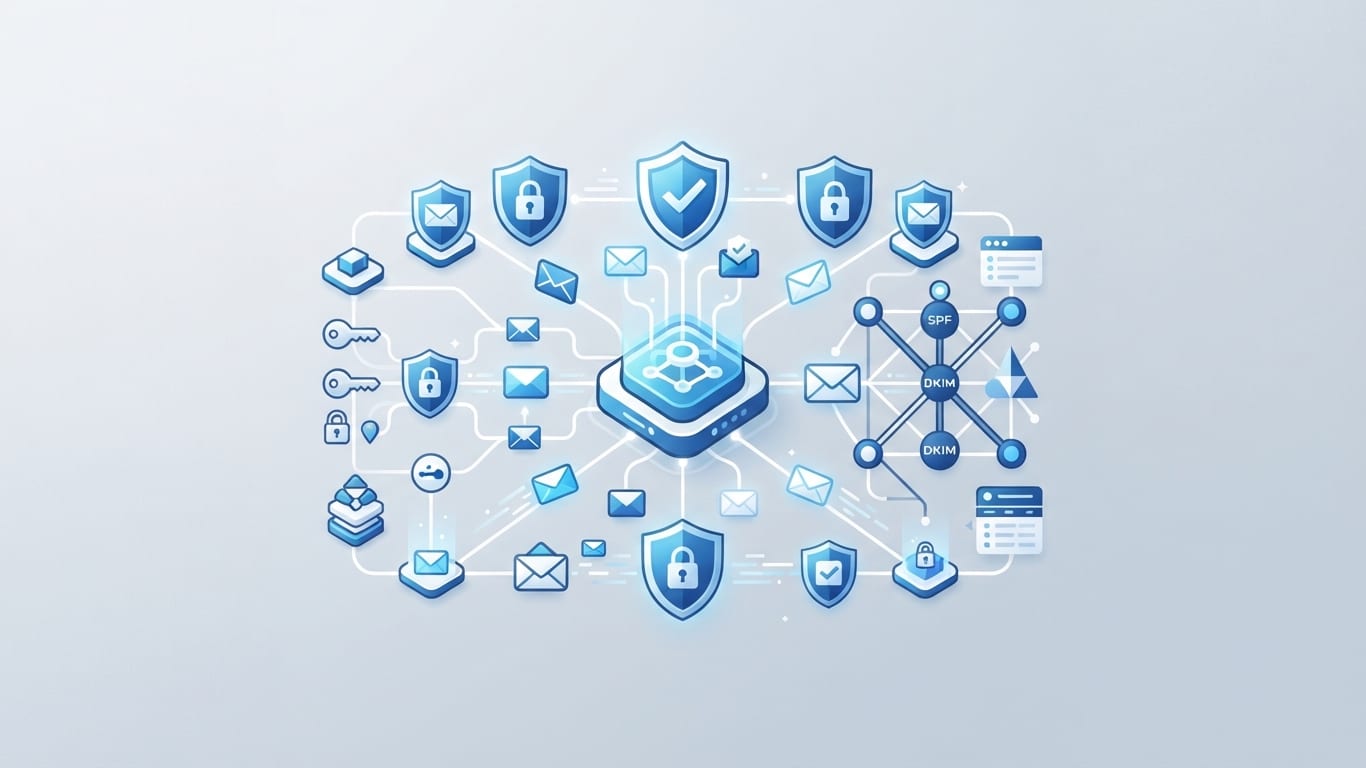
| Technical email authentication symbols and shields |
Formatting for Mobile Readability
Email design best practices dictate using a single-column layout no wider than 600 pixels, according to Mailsoftly. This specific dimension ensures consistent rendering across all email clients and devices.
Body text should be set at 16px or larger using a web-safe font stack to eliminate readability issues on mobile screens, as Mailsoftly specifies. Every call-to-action button requires a minimum tap target of 44 pixels and a 4.5:1 contrast ratio to satisfy accessibility guidelines and drive user clicks, according to Mailsoftly.
- Keep message width under 600 pixels in a single column
- Set body text to 16px or larger using web-safe fonts
- Size call-to-action buttons to a minimum of 44 pixels
- Maintain a 4.5:1 color contrast ratio for buttons
Responsive design templates automatically scale content blocks to fit smaller screens without forcing users to pinch and zoom. Technical adaptability keeps the user experience seamless across smartphones, tablets, and desktop monitors.
Sufficient spacing around interactive elements prevents accidental taps on mobile devices. Designing with accessibility in mind broadens audience reach and improves overall user satisfaction.
Dark mode compatibility has become an essential consideration for modern email formatting standards. Ensuring text colors contrast correctly against dark background shifts prevents copy from disappearing on supported devices.
Converting Consumers and Tracking Analytics
A 2024 Global Consumer Trends Index report by Marigold found that 50% of consumers had made a purchase directly from an email within the past year.
Professional email marketing software helps businesses stay compliant with global anti-spam laws, according to Constant Contact. These platforms maintain branded mobile-responsive templates and track performance analytics like opens and clicks.
Advanced campaign tracking integrates with strategies discussed in How to Use AI Marketing Tools to Scale Strategy and ROI. Combining analytics with broader content insights supports overarching initiatives outlined in What Is a Content Marketing Strategy: Definition & Guide.
Monitoring open rates, click-through rates, and conversion metrics reveals which campaign variations resonate most with target segments. Continuous measurement allows marketing teams to refine upcoming broadcasts based on hard performance data.
A/B testing subject lines and button placements uncovers subtle preferences that lift overall engagement over time.
Attributing revenue directly to specific email campaigns justifies ongoing marketing expenditures to company stakeholders. Clear reporting dashboards connect daily sending routines to bottom-line business growth.
Selecting Infrastructure and Platforms
Klaviyo is recognized as a top choice for small-to-midsize ecommerce brands because of its deep integrations with Shopify, WooCommerce, and BigCommerce for advanced segmentation and dynamic product recommendations, according to Saltbox. This makes it a strong contender when evaluating top email marketing platforms for ecommerce environments.
Mailchimp functions as a versatile all-in-one solution featuring a drag-and-drop editor, landing page builder, and pre-built automated workflows for tasks like abandoned cart recovery, as Saltbox notes. Brevo suits scaling businesses through its multichannel capabilities combining email, SMS, and chat marketing under a pay-as-you-go pricing model.
For small businesses with under 5,000 contacts, Constant Contact and MailerLite serve as optimal starting points due to their ease of use, clean interfaces, and low learning curves, according to Constant Contact. Finding the right email marketing platform depends heavily on contact volume and technical requirements.
Automation tools built into these platforms handle welcome sequences and re-engagement campaigns without manual intervention. Streamlining recurring workflows frees up internal resources for creative campaign planning.
Customer support quality and documentation availability also influence software adoption rates among marketing teams. Reliable vendor assistance ensures technical hurdles are resolved quickly before scheduled deployments.
FAQ
What is the best way to do email marketing?
The best approach combines strict technical authentication, permission-based list building, and consistent mobile-responsive formatting. Marketers achieve the highest returns by segmenting audiences and tracking performance metrics regularly.
What is the best way to build an email list for marketing?
Building a list effectively involves deploying strategic website popups that convert site visitors into subscribers. Brands must avoid purchased data and instead offer clear promotional incentives in exchange for opt-ins.
What is the best email marketing platform?
Platform selection depends on specific business needs, budget, and channel requirements. Solutions range from all-in-one editors to specialized ecommerce tools with deep platform integrations.
What is the best email marketing platform for small business?
For businesses with under 5,000 contacts, Constant Contact and MailerLite offer ideal starting points. These tools provide clean interfaces, low learning curves, and essential compliance features.
What is the best way to format email marketing messages?
Formatting requires a single-column layout no wider than 600 pixels with 16px body text. Call-to-action buttons should feature a 44-pixel tap target and strict color contrast ratios.