Email marketing makes money through methods such as selling your own digital or physical products, offering services directly to subscribers, running affiliate promotions, and securing paid newsletter sponsorships, according to SMTP.com.
 TechMediaArch.com |
| Email marketing dashboard showing financial growth and campaign metrics |
Understanding the Mechanics Behind Email Campaigns
Campaign Monitor explains that email marketing works by delivering direct promotional messages, announcements, and lead-nurturing content straight to a user's inbox. This direct delivery channel achieves higher purchase conversion rates than social media or direct mail.
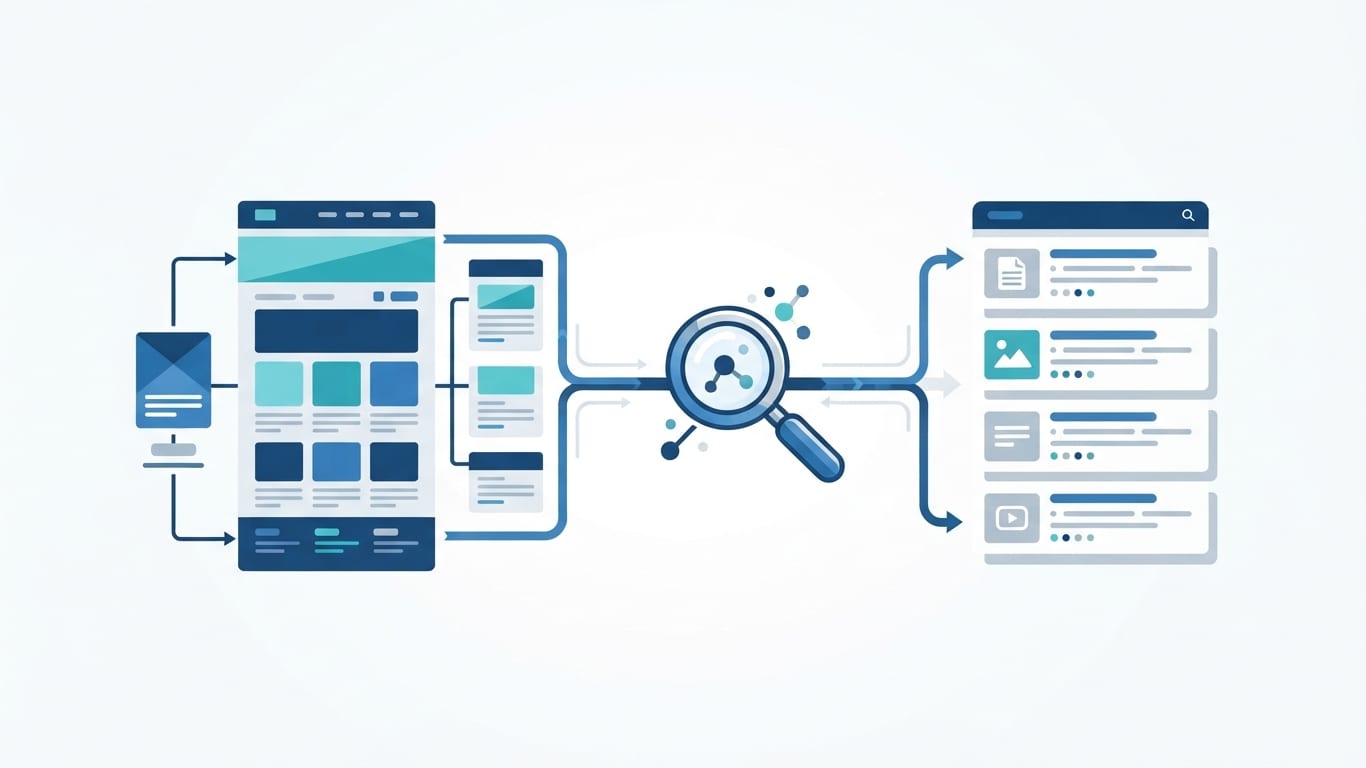
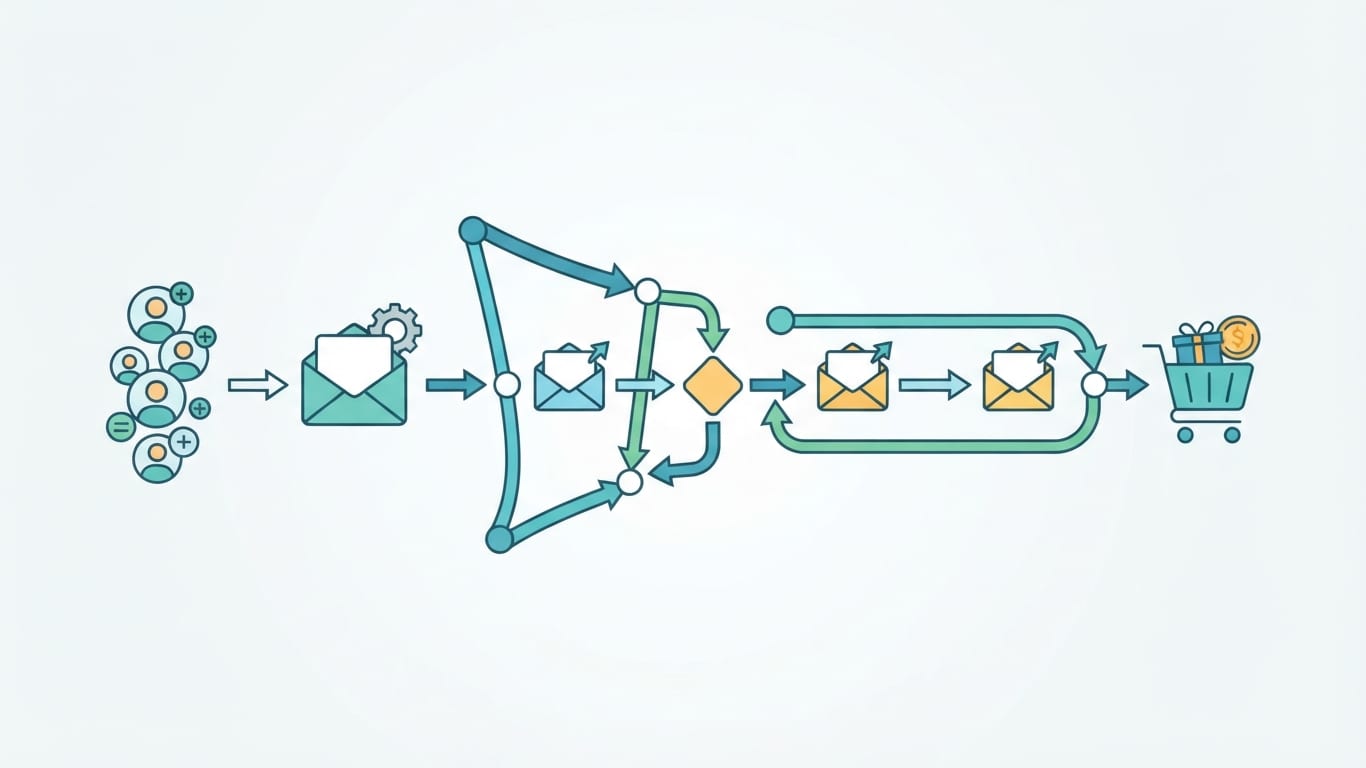
Omnisend details that the operational process begins by capturing user contact data through lead magnets and website pop-ups. Businesses then manage these contact lists via an Email Service Provider before deploying automated drip campaigns or segmented broadcasts.
Automated workflow emails allow businesses to recover lost sales on autopilot, according to Reddit. For example, cart abandonment sequences are automatically triggered when a user leaves items in their online shopping cart without checking out.
Content creators and online sellers generate predictable daily sales of digital products or achieve five-figure launches by utilizing established subscriber lists and targeted broadcasts, reports Iampaulrose. These targeted campaigns send promotional material directly to interested buyers without relying on public search algorithms.
These automated operational workflows reduce manual labor while maintaining consistent touchpoints with prospective buyers. Proper segmentation ensures that each automated message matches the specific behavioral history of the recipient.
Monetization Models and Revenue Generation
SMTP.com notes that selling your own products typically generates the highest profit margins because there is no revenue split involved. Creators retain all earnings when selling proprietary goods compared to third-party marketplaces.
SMTP.com also observes that a highly engaged, niche-specific email list generates significantly more revenue per subscriber than a large but disengaged list. Quality audience connection drives better conversion metrics than sheer volume.
ZeroBounce states that while some solo entrepreneurs and small business owners make a living exclusively off their email list, achieving that level of financial success depends heavily on list engagement, high-value lead generation, and consistent traffic driven to sales pages.
- Offering proprietary digital or physical goods directly to the subscriber base.
- Promoting affiliate products and earning commissions on referred purchases.
- Securing paid newsletter sponsorships from brands targeting the same demographic.
- Selling professional services directly through targeted email announcements.
Affiliate promotions require careful selection to ensure recommended products genuinely benefit the reader base. Newsletter sponsorships provide upfront capital while introducing complementary brands to an established subscriber community.
Why Direct Inbox Delivery Matters
Campaign Monitor states that email marketing is important because global email usage encompasses billions of active users daily. This vast user base makes it a reliable channel where 72% of customers prefer receiving brand promotions compared to only 17% who choose social media.
Medium notes that unlike social media algorithms that show posts to a fraction of followers, email marketing delivers messages directly to an owned audience database with an impression reach of nearly 99.9%. Social media reach can sometimes drop as low as 7% of total followers.
Twilio reports that email marketing remains a vital digital strategy because it boosts brand awareness, drives website traffic, recovers abandoned carts, and strengthens customer retention at a remarkably low operational cost. Owned media channels protect businesses from sudden platform algorithm changes.
You can read more about aligning these efforts in this guide on What Is a Content Marketing Strategy: Definition & Guide to support your overall digital growth.
Building an owned database shields enterprises from sudden policy shifts implemented by third-party social networks. Direct lines of communication ensure long-term stability for digital publishing and e-commerce models.
 TechMediaArch.com |
| Automated email workflow funnel driving sales and conversions |
Financial Realities and Wealth Potential
Axonn clarifies that email marketing does not automatically make someone a millionaire or guarantee the success of a business by itself. Reaching high financial tiers requires careful audience nurturing and consistent execution across sales funnels.
Integrating insights from How Content Marketing Helps SEO and Drives Organic Traffic ensures that inbound lead generation feeds directly into profitable subscriber lists.
Sustainable monetization depends on maintaining high deliverability rates and minimizing spam complaints over extended periods. Businesses that prioritize subscriber value experience lower churn rates and higher lifetime customer value.
Operating Expenses and Software Budgets
Constant Contact outlines that email marketing software typically costs anywhere from $0 for basic plans up to $300+ per month. Ongoing freelancer support ranges from $500 to $3,000+ monthly, and comprehensive agency services cost between $1,500 and $10,000+ per month.
Nutshell specifies that email marketing costs between $51 and $1,000+ per month for most small businesses. The total expense depends on whether they manage campaigns via DIY software, hire freelancers, or partner with agencies.
AWeber explains that for small business email lists, pricing is frequently tied to subscriber volume. Costs scale from free or low-cost plans for up to 500 contacts, to $30–$60 per month for 5,000 contacts, and $150–$300 per month for 25,000 contacts.
Budgeting decisions should factor in potential external assistance for copywriting, graphic design, and technical automation setup.
Compensation for Email Marketing Specialists
Indeed reports that the average salary for an email marketing specialist in the United States is $58,414 per year.
ZipRecruiter states that email marketing specialists in the United States make an average of $81,830 per year or $39.34 per hour. The lowest 10% make roughly $55,000 and the top 10% make $118,700.
Hyring notes that based on U.S. Bureau of Labor Statistics Occupational Employment and Wage Statistics data, the median annual salary for an email marketing specialist stands at $78,760. Senior-level professionals reach between $108,310 and $155,480.
These professional compensation figures reflect the technical expertise required to manage deliverability, automation flows, and segmentation strategies.
Professionals in this field often handle A/B testing, HTML template coding, and comprehensive analytics tracking. Their analytical work directly impacts top-line revenue generation across digital enterprises.
FAQ
Can email marketing make you rich
Axonn explains that email marketing does not automatically make someone a millionaire or guarantee the success of a business by itself. ZeroBounce notes that while some entrepreneurs make a living exclusively off their list, financial success depends heavily on engagement, lead generation, and traffic driven to sales pages.
How much does an email marketing specialist make
Indeed reports an average salary of $58,414 per year in the United States, while ZipRecruiter cites an average of $81,830 per year. Hyring notes a median annual salary of $78,760 based on labor statistics, with senior professionals reaching up to $155,480.
Does email marketing cost money
Constant Contact states that email software costs from $0 to $300+ per month, while Nutshell notes overall small business costs range between $51 and $1,000+ per month. AWeber adds that pricing scales with subscriber volume, ranging from free tiers to hundreds of dollars monthly for larger databases.
How does email marketing work
Campaign Monitor details that email marketing works by delivering direct promotional messages and lead-nurturing content straight to an inbox. Omnisend explains that it captures data via pop-ups, manages contacts in an ESP, and deploys automated drip campaigns or segmented broadcasts.
Why email marketing is important
Campaign Monitor reports that 72% of customers prefer receiving brand promotions via email compared to only 17% who choose social media. Medium highlights that email delivers messages with an impression reach of nearly 99.9% to an owned audience database.