Understanding Crypto Wallet Addresses
A crypto wallet address is a unique identifier composed of a randomly generated series of alphanumeric characters. According to Coinbase, it functions similarly to a digital mailbox or an email address used for sending and receiving cryptocurrency across blockchain networks.
 TechMediaArch.com |
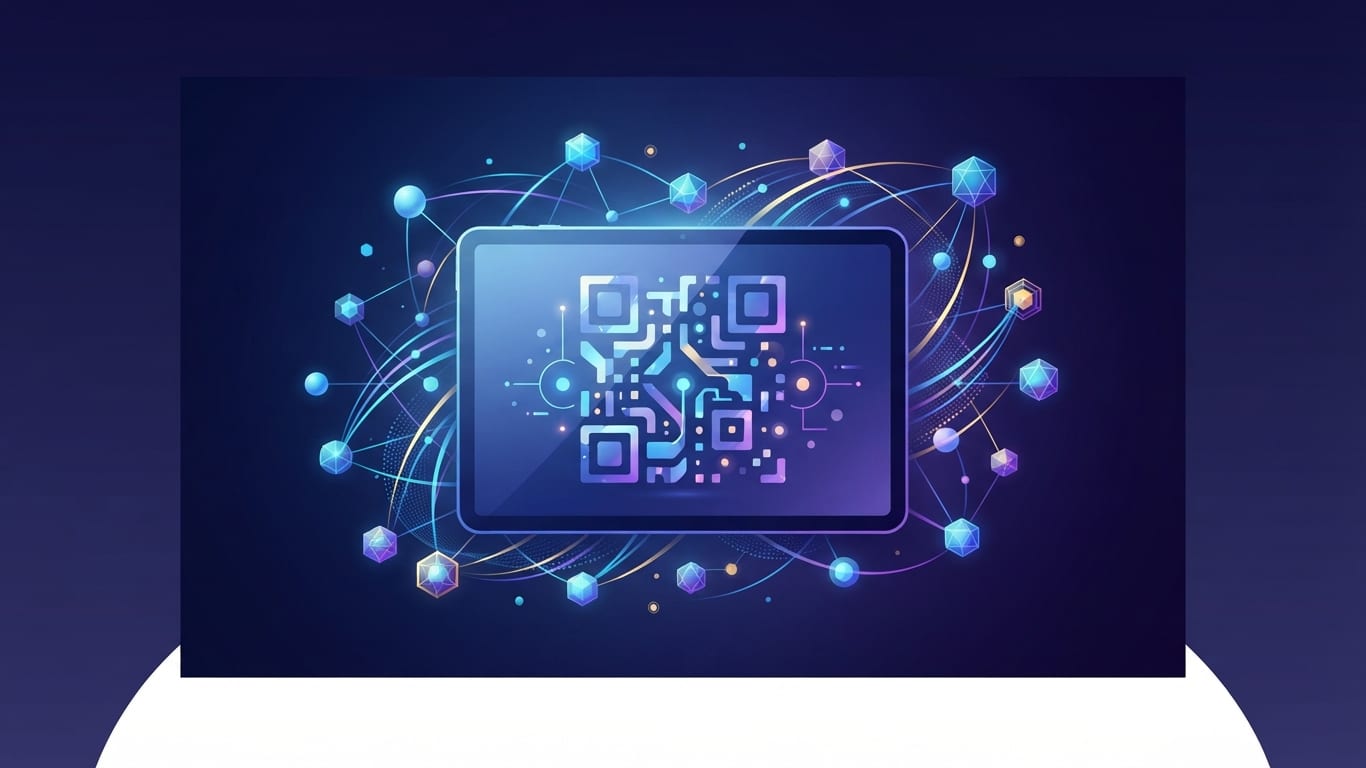
| Digital screen displaying a crypto wallet address and blockchain nodes |
Ledger points out that crypto wallet addresses are essential because without them, distinguishing between separate user accounts on a blockchain would be impossible. SoFi explains that crypto wallet addresses operate much like a bank account number, though they are specifically built for decentralized, peer-to-peer transactions.
Formats and Structures Across Blockchains
Coinbase notes that Bitcoin addresses typically start with the characters "1", "3", or "bc1", while Ethereum addresses generally begin with the prefix "0x". BitPay specifies that crypto wallet addresses can reach up to 40 alphanumeric characters in length.
Entering such long sequences by hand introduces severe risks of human error during transactions. Because manual entry is cumbersome, users frequently rely on copy-pasting strings or scanning visual QR codes to transfer funds accurately, according to BitPay.
How Underlying Technology Generates Addresses
Wallet destinations do not appear out of thin air; they emerge from complex mathematical procedures. Exodus states that wallet addresses are generated from private keys via cryptographic algorithms through a strict one-way mathematical process.
BitPay details that cryptographic crypto wallets do not physically store actual coins; instead, the coins live on the decentralized blockchain, and the wallet’s primary function is safeguarding private keys. Readers looking to expand their foundational knowledge can review Cracking the Code: A Beginner's Guide to Cryptocurrency Basics for broader context on digital currencies.
How Transactions Reach the Blockchain
Moving digital assets requires authorization from the holder of the private key. Reddit describes how a crypto wallet uses private keys to sign a cryptographic message specifying a transaction amount and recipient address, which is then broadcast to the blockchain network.
Tangem outlines that the wallet software or hardware acts as an interface managing authorization, proving ownership via private keys so that network participants agree on balance updates. Zimperium highlights that advanced wallet software implements Hierarchical Deterministic structures to generate a fresh address for every individual transaction, compartmentalizing key usage to boost privacy.
Tracing and Blockchain Visibility
MoonPay clarifies that a cryptocurrency wallet address is pseudonymous, meaning it serves as a transaction destination without directly revealing the personal identity of the owner. Chainalysis explains that Bitcoin and other public ledgers are transparent and public, meaning that while users are pseudonymous, their transaction addresses are completely visible to anyone.
Government agencies leverage this transparency to investigate financial crimes across global networks. CoinLedger reports that government organizations like the FBI and IRS trace illicit blockchain activities because every transaction is permanently logged on public, immutable ledgers.
Can a Crypto Wallet Address Be Traced?
The persistence of blockchain records means that digital trails rarely disappear entirely. TRM Labs states that despite early perceptions of complete anonymity, most cryptocurrency transactions can be tracked and traced using blockchain analytics tools.
Real-world identities often link back to pseudonymous addresses when funds touch regulated entities. Nansen AI notes that onchain analytics firms and law enforcement can bridge the gap between anonymous wallet addresses and real-world identities when funds move through centralized exchanges enforcing Know Your Customer regulations.
Certain assets integrate specialized protocols to resist advanced tracing methods. Guarda points out that privacy-focused cryptocurrencies like Monero use technologies such as ring signatures and stealth addresses to make tracing significantly more difficult compared to Bitcoin or Ethereum.
Additional insights into how analysts map blockchain data are available in Web3's Missing Piece The Grid Aims to Map Blockchain Data with New Tech. Understanding these visibility limits helps users evaluate their personal privacy profiles.
 TechMediaArch.com |
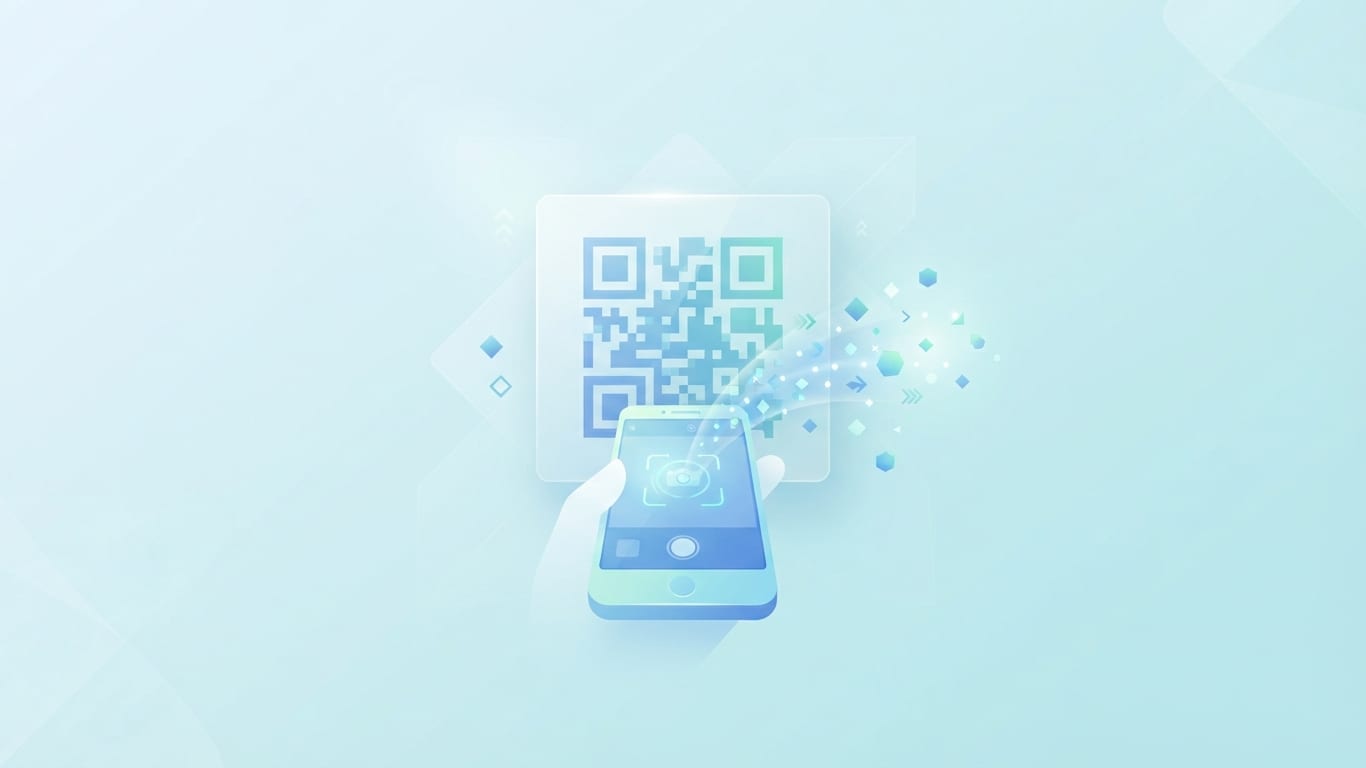
| Smartphone scanning a QR code for cryptocurrency transactions |
Comparing Custody Models and Exchanges
Users must choose between holding assets directly or relying on third-party marketplace platforms.
- Rocket Fuel defines a cryptocurrency exchange as an online marketplace platform
- categorized into centralized options like Coinbase and Binance
- or decentralized protocols like Uniswap
- that lets users buy, sell, and trade digital assets.
Centralized platforms manage private keys on behalf of their customer base. Tangem explains that on a centralized exchange, the platform generates and retains custody of your private keys, meaning users do not hold direct ownership of the underlying blockchain address.
Security risks differ sharply between self-managed setups and platform accounts. NACINK establishes a foundational rule in digital asset management: keeping assets on an exchange exposes you to platform hacking risks or withdrawal freezes, whereas personal wallets grant direct structural control.
The scale of exchange-related vulnerabilities remains a notable risk factor in the digital asset ecosystem. OneKey notes that centralized crypto exchanges were targeted heavily, with Chainalysis reporting over $1.7 billion worth of digital assets stolen in exchange-related security breaches and scams during a recent single-year span.
Security Practices for Digital Assets
Protecting cryptographic keys requires disciplined operational habits from individual owners. Charles Schwab explains that non-custodial wallets give owners absolute control over their keys, but they shift total responsibility for security and recovery onto the individual user.
Securing local environments prevents unauthorized software from intercepting sensitive key material. The National Cybersecurity Alliance outlines that safeguarding your digital currency requires picking a secure provider, deploying robust encryption options, and protecting your local devices from malware vulnerabilities.
Additional technical details regarding underlying transaction confirmation processes can be found by reading What Is Bitcoin Mining and How Does It Actually Work. Maintaining robust defenses remains vital across all self-custody configurations.
Users looking to structure their security protocols can review the following essential defense steps:
- Select a reputable, audited non-custodial wallet provider.
- Deploy robust encryption options across all local devices.
- Protect hardware interfaces and backup recovery phrases offline.
- Verify recipient addresses carefully before broadcasting any transfer.
FAQ
what is crypto wallet address
A crypto wallet address is a unique string of alphanumeric characters functioning as a digital mailbox for receiving and sending funds. According to Coinbase, it acts as a unique identifier across blockchain networks, allowing users to route transactions safely.
can crypto wallet address be traced
Most blockchain transactions can indeed be tracked using specialized analysis tools because public ledgers remain transparent. TRM Labs states that despite early perceptions of complete anonymity, most cryptocurrency transactions can be traced effectively.
how does crypto wallet work
Wallets operate by securing private keys that authorize transfers of digital assets living directly on the decentralized blockchain. BitPay clarifies that cryptographic wallets do not store actual coins physically, but instead safeguard the private keys needed to sign transactions.
is crypto wallet safe
Security depends heavily on the custody model and user habits regarding key management and device protection. Charles Schwab notes that non-custodial wallets grant absolute control over keys while shifting total security responsibility entirely onto the individual.
difference between crypto wallet and exchange
Exchanges function as trading marketplaces, whereas personal wallets provide direct structural control over underlying keys and blockchain addresses. Tangem details that centralized exchanges retain custody of private keys, meaning users do not hold direct ownership of the underlying blockchain address.