Understanding Cybersecurity and Its Core Definitions
Cybersecurity is fundamentally defined as the practice of defending computers, servers, networks, and data from unauthorized access, digital threats, or attacks, according to Syracuse University. This protection covers specialized areas such as network security, cloud security, and endpoint protection.
 TechMediaArch.com |
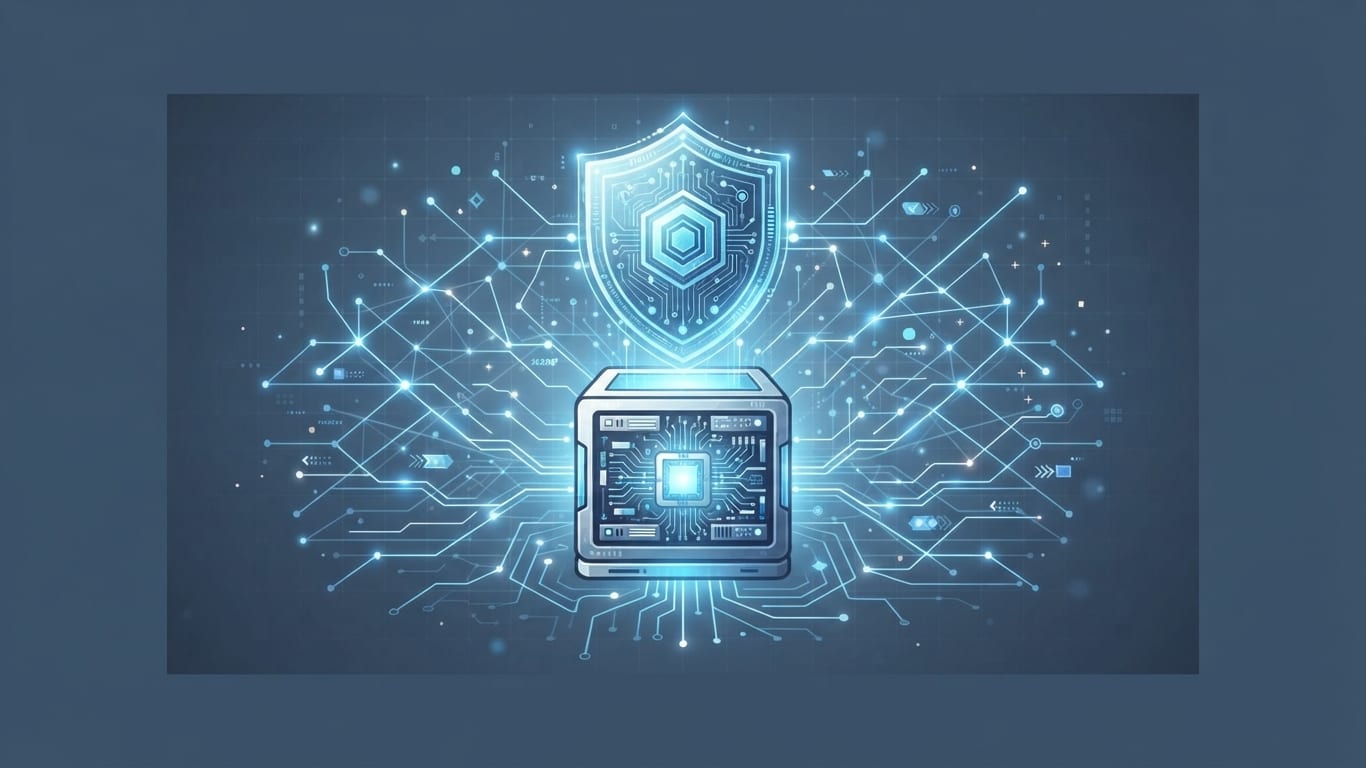
| Digital network protected by a cybersecurity shield |
According to SNHU, cybersecurity involves the use of practices and tools that can mitigate or reduce the impact of external cyberthreats on devices, networks, software, and data. These threats stem from the reality that computer hardware, software, and networks naturally contain flaws due to imperfect human design, as noted by JHU EP.
The Rising Scale of Cyber Threats
Global cybercrime is estimated to cost the world economy USD 10.5 trillion annually, according to IBM. Organizations face an environment where 97% of organizations experienced a surge in cyber threats amid geopolitical unrest, based on research from Accenture.
According to Palo Alto Networks, the average global cost of a data breach is approximately $4.44 million. In the U.S., the average frequently exceeds $10 million due to regulatory penalties and response costs.
Successful data breaches result in extended periods of downtime, lost revenues, permanent data loss, damaged computing assets, and exposure to compliance fines, according to Ricoh USA. Furthermore, at least 47 percent of American adults have had their personal information exposed by cybercriminals, as reported by Fairfield University.
Protecting Critical Infrastructure and National Security
Cybersecurity plays a vital role in safeguarding national security and ensuring the reliable operation of critical infrastructure, including power grids, healthcare facilities, and water and financial systems, according to Unicaf.
CISA states that critical infrastructure assets, systems, and networks are considered so vital to the United States that their destruction would have a debilitating effect on national security, economic security, or public health.
Without appropriate cybersecurity measures, organizations are vulnerable to data breaches aimed at accessing valuable material for extortion, fraud, or illicit sale, notes Unicaf. Attackers employ increasingly sophisticated methods powered by social engineering and artificial intelligence to circumvent traditional controls, according to UpGuard.
IDC projects that global security spending will reach USD 377 billion by 2028 as organizations increase prevention investments, according to IBM.
How Protective Systems Operate
Microsoft Security explains that cybersecurity works by implementing security policies, maintaining security hygiene, performing patch management, and running regular security awareness training. Palo Alto Networks notes that cybersecurity functions through a holistic, layered defense spanning endpoints, networks, cloud environments, applications, data, and identity management.
For a deeper look at automated defenses, read more about The AI Cybersecurity Conundrum: Why A Multi-Layered System is the Only Solution.
Antivirus software is an important protective measure that can automatically detect, quarantine, and remove various types of malware while requiring automatic definition updates, according to CISA. These protective measures support broader organizational risk management strategies, specifically cyber risk management, to protect people, systems, and data from cyberattacks, as reported by IBM.
Evaluating Systems Through Cybersecurity Testing
Cyber security testing plays a crucial role by simulating real-world attacks to reveal security weaknesses before malicious actors can find and exploit them, according to QinetiQ. Cybersecurity assessments involve a comprehensive analysis of a current security posture to pinpoint strengths and weaknesses and systematically reduce organizational risk, notes Field Effect.
Integrating cybersecurity testing into a test management framework helps software companies avoid regulatory fines, unhappy customers, and reputational damage, according to Software Testing Magazine. Organizations can explore related topics such as What Are Phishing Emails and How Do Cyberattacks Work? to understand specific threat vectors.
Penetration testing is a specific form of cyber security testing that simulates real-world adversary techniques to uncover vulnerabilities that automated scanners miss, according to QinetiQ. Regular cyber security testing evaluates IT infrastructure, applications, and systems to ensure compliance with stringent legal and regulatory requirements, according to DEV Community.
 TechMediaArch.com |
| Data security analysis and cloud protection illustration |
Examining Common Obstacles in the Field
Attackers frequently leverage emerging deception techniques, making resources like Cybersecurity Experts Sound Alarm on Rise of AI-Led fake job scam check relevant for understanding modern social engineering. To see how structural defenses isolate threats, read What Are Zero Trust Security Models: A Complete Guide.
Organizations dealing with malicious encryption threats can review What is Ransomware in Cyber Security: A Complete Guide to examine specific recovery frameworks.
Is Cybersecurity Hard to Learn and Master?
Cybersecurity can feel challenging because learners must understand how computers communicate, how networks are set up, and how systems fail, but it relies on logical problem-solving rather than impossible hurdles, according to Skillspire.
Mastering cybersecurity does not require advanced coding or sophisticated math skills, making it accessible through basic logic and reasoning, according to the International Association of Information Security Professionals.
A major challenge in cybersecurity is the broad scope of information, requiring professionals to handle continuous learning and keep up-to-date with fast-evolving industry trends and threats, according to Training Camp. Navigating this wide field typically involves several core learning steps:
- Learning fundamental networking concepts and internet protocols
- Studying operating system mechanics for Windows and Linux
- Practicing system administration and basic patch management
- Exploring common vulnerability types and exploitation vectors
- Applying defensive security tools like antivirus and firewalls
FAQ
What is cybersecurity and why is it important
Cybersecurity is the practice of defending digital assets from unauthorized access, playing a vital role in safeguarding national security and protecting the economy. Without these measures, organizations face expensive data breaches, operational downtime, and severe regulatory fines.
Why cybersecurity is important
Cybersecurity is crucial to overall risk management strategies, specifically cyber risk management, to protect people, systems, and data from cyberattacks. It prevents global cybercrime from inflicting devastating financial and structural damage on critical infrastructure.
Why cybersecurity is important in today's world
In today's world, organizations face a massive surge in cyber threats amid geopolitical unrest and sophisticated AI-driven attacks. Cybersecurity ensures the reliable operation of critical infrastructure like power grids, healthcare facilities, and financial systems.
Why cybersecurity testing is important
Cyber security testing plays a crucial role by simulating real-world attacks to reveal security weaknesses before malicious actors can find and exploit them. It helps software companies avoid regulatory fines, unhappy customers, and reputational damage by evaluating IT infrastructure.
How does cybersecurity work
Cybersecurity works by implementing security policies, maintaining security hygiene, performing patch management, and running regular security awareness training. It functions through a holistic, layered defense spanning endpoints, networks, cloud environments, applications, data, and identity management.
Is cybersecurity hard
Cybersecurity can feel challenging because learners must understand how computers communicate, how networks are set up, and how systems fail. However, it relies on logical problem-solving rather than advanced coding or sophisticated math skills.