Introduction to Product Strategy and Execution Tools
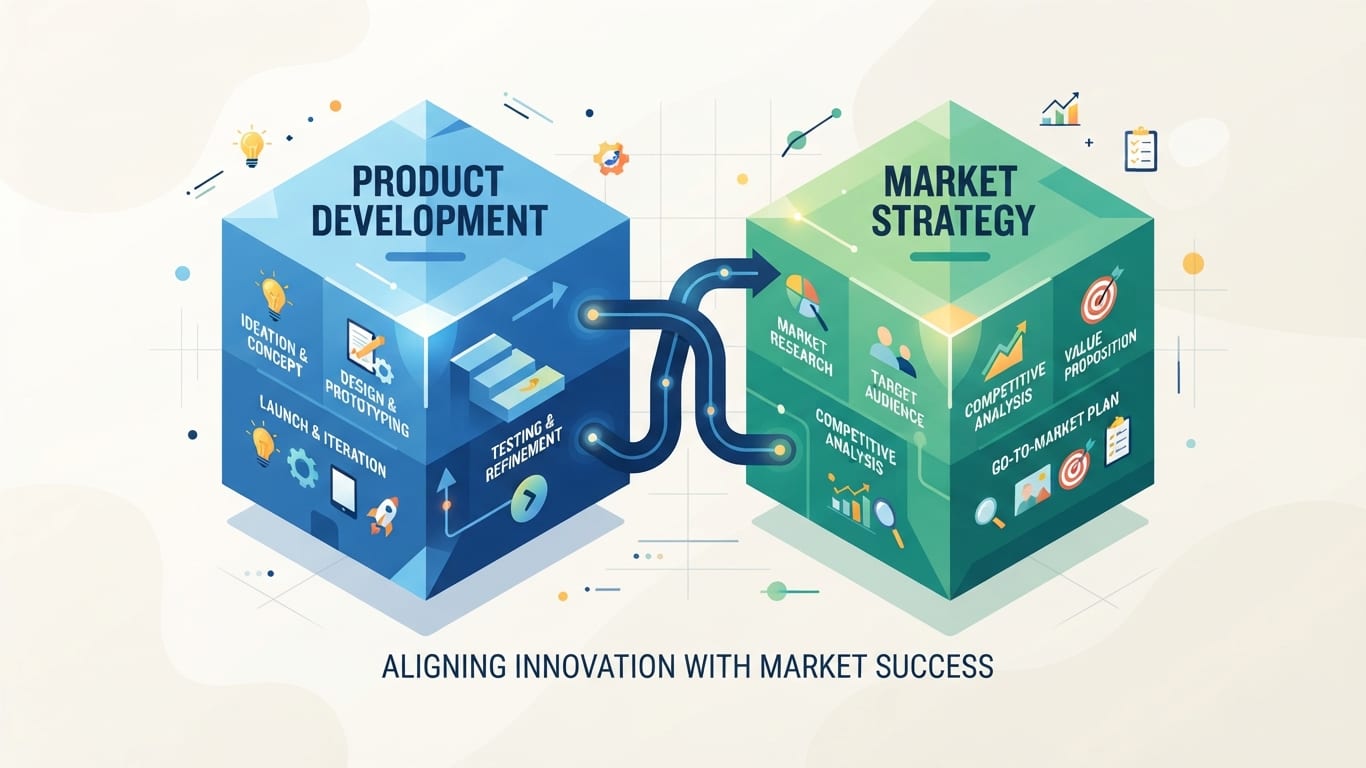
Understanding the difference between product roadmap and backlog is essential for anyone navigating the complex world of software development and product management. While these two terms are often used interchangeably by beginners, they serve entirely different purposes in bringing a digital product to life. A product roadmap is a high-level visual, strategic guide that captures a product's vision, direction, and progress over a specific timeframe, acting as a single source of truth for stakeholders. On the other hand, a product backlog is a granular master list of all outstanding tactical work items—such as user stories, individual tasks, bug fixes, and features—needed to build and execute the product. Recognizing how these two artifacts complement each other helps teams avoid confusion, maintain alignment, and deliver value efficiently. By keeping the big-picture strategy distinct from the day-to-day task list, organizations can ensure that every line of code written directly supports overarching business goals. This foundational separation is the key to scaling product development successfully across teams of all sizes.
 TechMediaArch.com TechMediaArch.com |
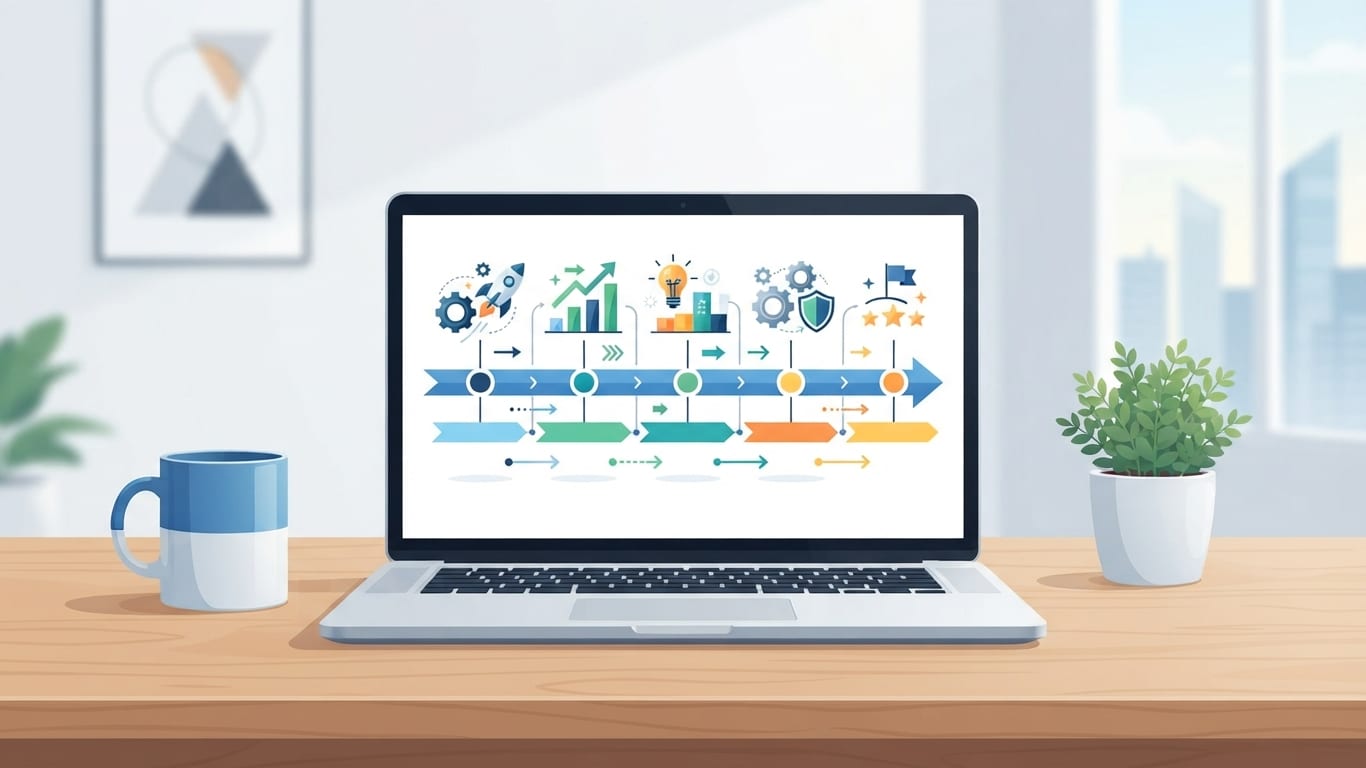
| Product roadmap strategy timeline visualization |
Defining the Product Roadmap: The Big-Picture Vision
To truly grasp the mechanics of product planning, one must start with the overarching strategic document. What are product roadmaps? They are visual and strategic tools designed to communicate the journey of a product over time. Instead of listing every minute detail or individual task, a roadmap outlines the overarching themes, major initiatives, and long-term goals that the company intends to pursue. It serves as a guiding light for everyone involved, ensuring that the entire organization understands where the product is heading and why those directions were chosen. This strategic guide captures a product's vision, direction, and progress over a specific timeframe, acting as a single source of truth for stakeholders. By focusing on outcomes rather than just outputs, the roadmap helps teams maintain a clear perspective on what success looks like months or even years down the line. It bridges the gap between high-level business strategy and the actual work being planned by development teams, creating a shared understanding across the entire enterprise.
Defining the Product Backlog: The Granular Task List
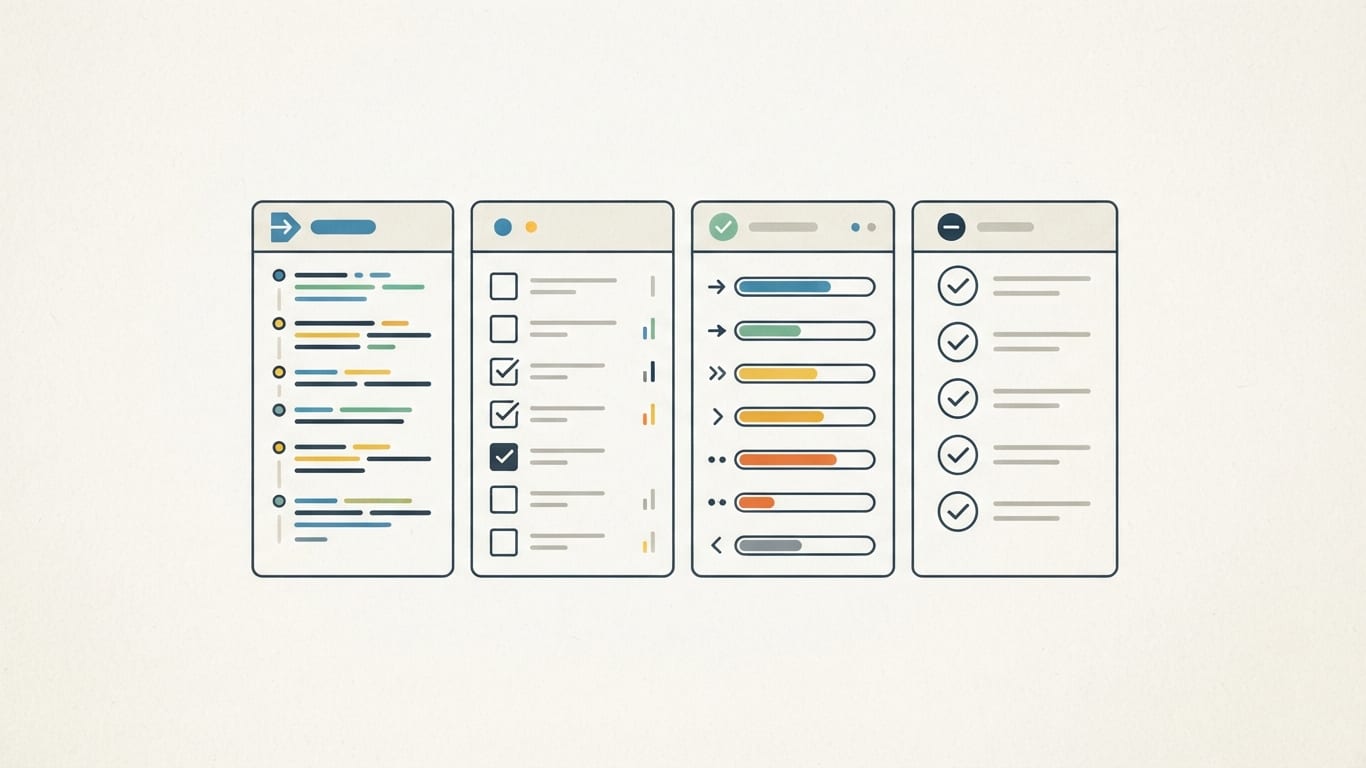
While the roadmap paints the broad strokes, the product backlog handles the fine details. A product backlog is a granular master list of all outstanding tactical work items—such as user stories, individual tasks, bug fixes, and features—needed to build and execute the product. This dynamic inventory is where all potential ideas, requirements, and improvements land before they are scheduled for development. Product managers, designers, and developers constantly interact with the backlog to break down strategic initiatives into manageable, actionable pieces of work. Every item in this list represents a specific step required to fulfill the broader promises made on the strategic plan. Because software development requires immense detail, the backlog provides the structured repository necessary to track every requirement, bug, and enhancement. It ensures that nothing falls through the cracks and that the development team always has a prioritized queue of work ready for upcoming sprints or development cycles.
Strategic Focus: Strategy Versus Tactical Execution
The core disparity between these two management instruments lies in their operational focus and perspective. Roadmaps focus on the high-level strategy, "why" decisions, and big-picture themes, whereas backlogs focus on tactical execution, "what," and "how". When examining a strategic roadmap, stakeholders will see overarching goals, market expansion objectives, and major solution themes designed to solve significant user problems. Conversely, when opening a backlog, observers encounter specific user requirements, technical debt resolutions, and functional steps that engineers must complete to make those themes a reality. This division of labor prevents strategic planning sessions from getting bogged down in implementation details, while simultaneously ensuring that development work remains anchored to meaningful business value. By separating the strategic "why" from the tactical "what," organizations empower leaders to steer the product direction effectively while giving technical teams the autonomy to determine the best execution methods.
Audience Alignment: Who Uses Which Artifact?
Different groups within an organization require different types of information to perform their roles effectively, which dictates who interacts with these two artifacts. Roadmaps are typically shared with cross-functional teams, executives, and external stakeholders or customers, while backlogs are internal operational tools primarily for developers, designers, and product managers. Executives and external partners need to see the high-level trajectory, major milestones, and anticipated delivery windows without being overwhelmed by technical jargon or daily task statuses. In contrast, the product backlog contains too much granular detail and changes too rapidly to be useful for high-level governance or external communication. It functions as an internal workshop where product owners and engineering teams groom, estimate, and prioritize user stories. Maintaining this clear boundary between audiences ensures that each stakeholder group receives the appropriate level of information, fostering transparency without creating unnecessary noise or confusion across the broader business ecosystem.
 TechMediaArch.com TechMediaArch.com |
| Detailed product backlog task list and user stories |
Unpacking the Relationship: Is the Roadmap an Output?
A common point of confusion among new practitioners involves the dependency and chronological flow between these two documents. Is a product roadmap the output of the backlog? No; the product roadmap sets the strategic umbrella and context, whereas the backlog contains the detailed steps derived to serve that strategic plan (though backlog refinement can continuously inform and shape future roadmap iterations). The strategy flows downward from the vision to the roadmap, and finally into the granular items of the backlog. However, this relationship is not entirely one-way. As developers and product managers groom the backlog, they often uncover technical constraints, user insights, or development velocities that feed back into strategic planning. This feedback loop ensures that the roadmap remains grounded in operational reality. Therefore, while the backlog does not mechanically generate the roadmap, the insights gained from executing tactical backlog items heavily influence how future iterations of the strategic roadmap evolve over time.
Product Roadmaps in Agile Environments
In modern software development, rigidity is often the enemy of innovation, requiring a modern approach to strategic planning. What is product roadmap in agile? In agile frameworks, a product roadmap functions as a flexible "living document" that accommodates change, prioritizes outcomes over rigid outputs, and adapts to shifting market conditions and customer feedback. Traditional fixed-date timelines often fail when user needs and technological landscapes change rapidly. To manage this inherent uncertainty, agile teams often avoid locking in specific delivery dates too far in advance. Instead, agile roadmaps frequently use relative time horizons like "Now, Next, and Later" to manage uncertainty. This horizon-based approach communicates general sequencing and strategic intent without making false promises about exact delivery dates for features that are still months away. By treating the strategic plan as an adaptable guide rather than a set-in-stone contract, organizations can pivot quickly when valuable new learnings emerge from user testing or market shifts.
How to Put Together a Product Roadmap Successfully
Creating an effective strategic guide requires a systematic, collaborative approach that bridges business goals with customer needs. How to put together a product roadmap? Begin by aligning on the core product vision, overall business strategy, and key measurable objectives. This initial alignment ensures that everyone understands the fundamental purpose of the product before any features are discussed. Next, prioritize initiatives and high-level themes based on desired outcomes, customer feedback, market trajectories, and resource constraints. After establishing these priorities, build the roadmap layout using an appropriate format (such as time-boxed, theme-based, or Now/Next/Later) to summarize the plan without getting bogged down in low-level tasks. Finally, identify potential risks, assumptions, and milestones, then communicate the roadmap widely to rally cross-functional alignment. Following these structured steps guarantees that the final document serves as a powerful communication tool rather than just another administrative checklist.
What Makes a Good Roadmap Stand Out?
Not all strategic plans are created equal; the best ones strike a delicate balance between visionary ambition and practical execution. What makes a good roadmap includes several distinct characteristics that keep teams focused and motivated. First, it balances short-term tactical milestones with long-term strategic vision without losing sight of future objectives. Second, it contains only as much detail as necessary for its target audience, avoiding over-complication with individual epics or user stories. Third, excellent governance is maintained by restricting edit access to designated leaders (such as the product manager) to prevent the strategic plan from spiraling out of control, while remaining open to regular reviews and data-driven refinements. When a strategic plan adheres to these principles, it avoids becoming cluttered or outdated. Instead, it remains a trusted, authoritative guide that fosters cross-functional collaboration, keeps engineering teams aligned with business outcomes, and provides clear visibility to leadership.
FAQ
Is a product roadmap the output of the backlog?
No, a product roadmap is not the output of the backlog. The product roadmap sets the strategic umbrella and context, whereas the backlog contains the detailed steps derived to serve that strategic plan. That said, insights and learnings gained from ongoing backlog refinement can continuously inform and shape future roadmap iterations.
What are product roadmaps?
Product roadmaps are high-level visual, strategic guides that capture a product's vision, direction, and progress over a specific timeframe. They act as a single source of truth for stakeholders, outlining major themes and initiatives without getting bogged down in low-level tactical tasks.
What is product roadmap in agile?
In agile frameworks, a product roadmap functions as a flexible living document that accommodates change, prioritizes outcomes over rigid outputs, and adapts to shifting market conditions and customer feedback. Agile roadmaps frequently use relative time horizons like Now, Next, and Later instead of locked-in linear timelines to manage uncertainty.
How to put together a product roadmap?
Putting together a product roadmap involves four main steps: first, align on the core product vision, business strategy, and objectives; second, prioritize initiatives and high-level themes based on outcomes, feedback, and constraints; third, build the layout using an appropriate format like Now/Next/Later; and fourth, identify risks and milestones before communicating the plan widely.
What makes a good roadmap?
A good roadmap balances short-term tactical milestones with long-term strategic vision, contains only as much detail as necessary for its target audience, and restricts edit access to designated leaders like the product manager to prevent chaos, while remaining open to regular data-driven reviews.