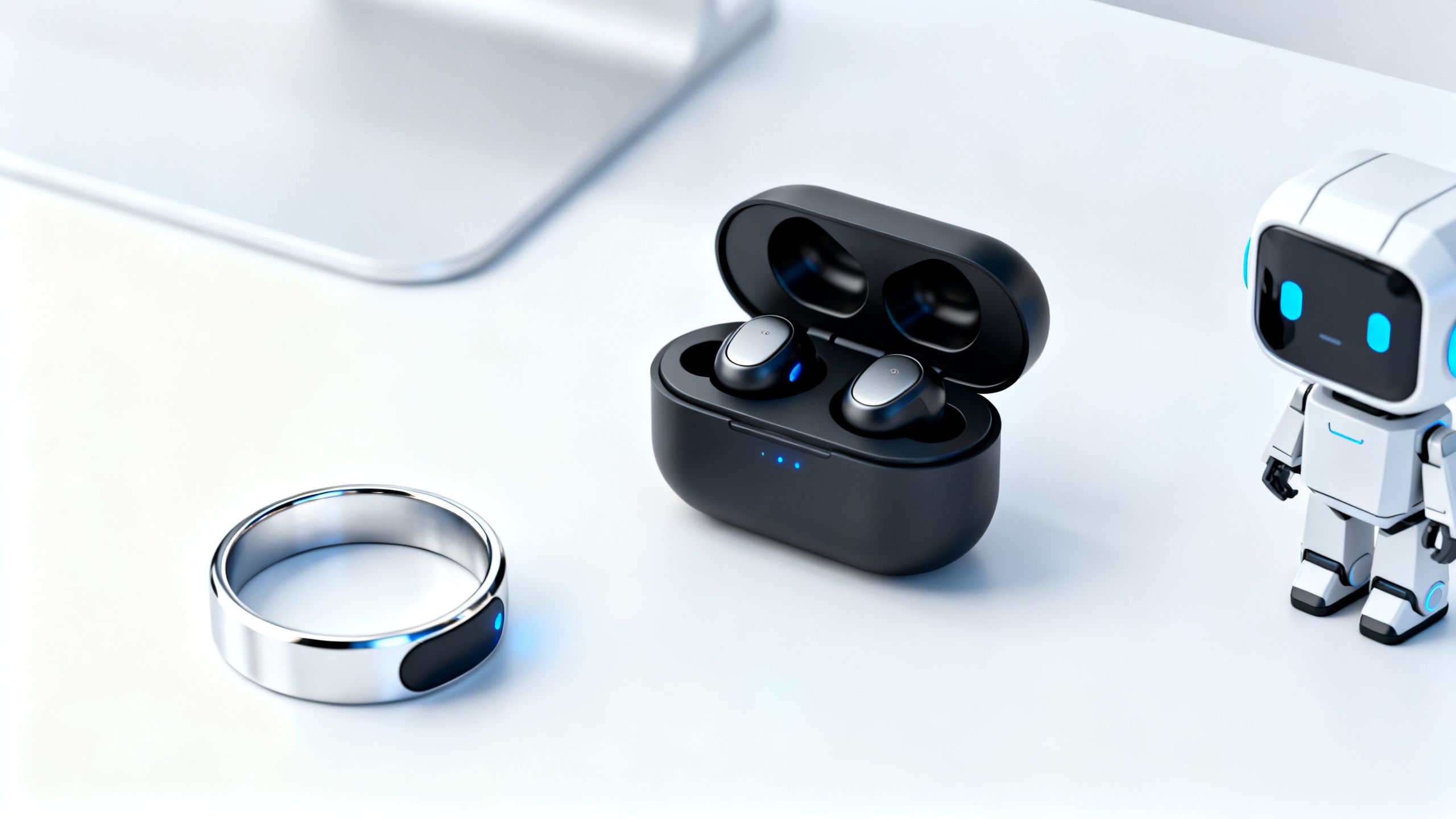
The "Made in China" stamp used to mean one thing in North America: cheap, maybe even a bit unsafe. But that perception is getting seriously outdated. As the latest video shows from a two-week trip across China, some of the most exciting and advanced tech products are coming from brands we can't even buy here. It's a whole different world of innovation.
The Technical Breakdown
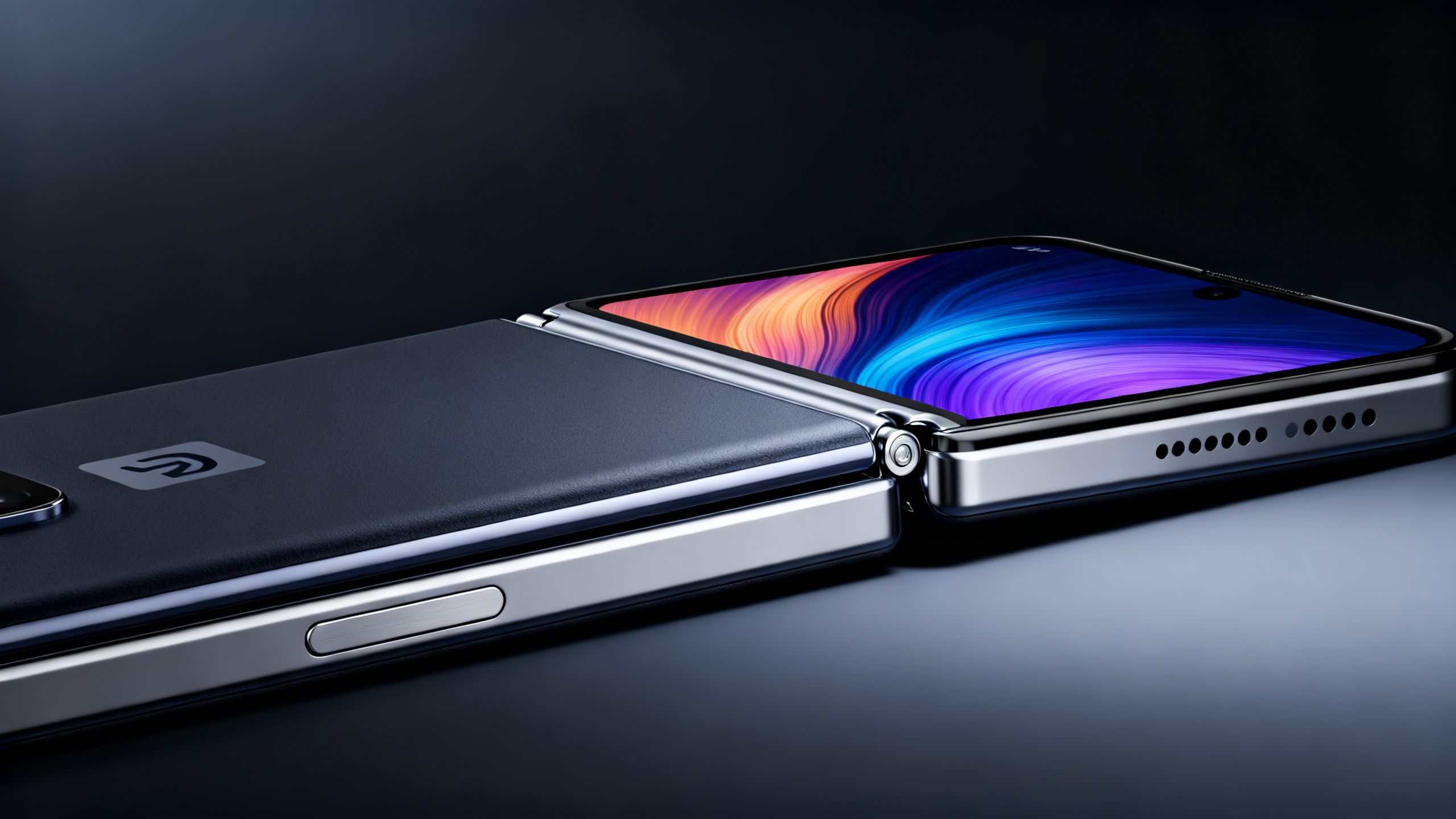
Let's get into the specifics. The big players—Xiaomi, Oppo, Vivo, Honor, and Huawei—are releasing new tech at a dizzying pace. Huawei is a standout case. Despite US bans cutting them off from Google services, they've built an incredible ecosystem. Their stores are packed with everything from uniquely designed phones and wild trifold foldables to tablets and laptops that rival anything we have. They're even in the high-end EV game with their AITO and Maestro brands.
Then there's Xiaomi, famous for more than just phones. Their SU7 electric car, which looks like a cousin to the Porsche Taycan but at a fraction of the price, is turning heads. But if you're talking about pure phone innovation, you have to look at Oppo. They're arguably leading the pack with the best foldable phone on the market today. Their camera tech is next-level, using advanced processing to produce stunningly natural photos and consistent video quality across all lenses.
It's not just the giants, either. The video highlights smaller, niche brands like End of Stay Studios, which makes incredible, high-performance mini replicas of iconic cars like the Porsche 911. These aren't toys; they're serious machines, showing the depth of creativity in the market.
Why This Development Matters
This isn't just about cool gadgets we can't get. It's about a fundamental shift in the tech world. Chinese brands are no longer just fast followers; they're taking major risks and setting trends, especially in hardware design and camera systems. This fierce competition is what pushes the entire industry to be better.
 TechMediaArch.com
For consumers in North America, it means we're in a bit of a bubble, missing out on a huge wave of innovation. The software is a whole other story, with "super apps" like Alipay integrating payments, social media, and services in a way that makes our app-switching feel clumsy. Many of these advancements are powered by sophisticated software, and it's clear that some of the 10 best AI tools to revolutionize your workflow in 2026 are inspired by this kind of integrated thinking.
Key Takeaways from the Video
Innovation Despite Restrictions: Brands like Huawei are thriving by building complete, self-sufficient ecosystems of hardware and software, proving that there are viable alternatives to the Google/Apple duopoly.
Risk-Taking is the Norm: The Chinese smartphone market is a hotbed of experimentation. From wild foldable designs to insane camera kits, companies are constantly pushing boundaries in a way that feels fresh and exciting. This creative spirit is also seen in content creation, where new workflows can turn simple prompts into studio-quality videos.
EVs Are Everywhere and Diverse: The electric vehicle scene is booming with dozens of brands you've never heard of, offering everything from affordable city cars to high-end luxury models.
Software is a Different Universe: Life runs on "super apps" like Alipay and WeChat, which combine payments, transit, food ordering, and social features into a single, seamless experience.
The Future of Chinese Tech Brands
What does this all mean for the future? It's simple: more competition and more choice for everyone. As some of these brands, like BYD and Xpeng, begin expanding into global markets, the tech and auto industries are in for a shake-up. This isn't just a regional trend; it's a global one.
The rapid development in China, especially in AI and integrated software, is a sign of what's to come. The country's focus on tech is undeniable, as seen in the open-source chatbot revolution in China, which is challenging established tech giants. As these products and their underlying technologies become more accessible worldwide, we'll all benefit from the increased innovation and competition they bring. The future of tech is looking a lot more diverse. This is also reflected in how companies are now using AI, with even Meta unveiling revolutionary AI video marketing tools to stay competitive.