You've seen the meme: "I use Arch, by the way." It's the punchline to countless jokes in the Linux community. But is Arch Linux just an overhyped meme, or is there real substance behind its notorious reputation? Our latest video dives into this very question, and the answer is more complex than you might think. Let's break down the truth about Arch.
The Technical Breakdown
For those unfamiliar, Arch is a minimalist, rolling-release Linux distribution. This means you start with a bare-bones system and build it up piece by piece. There's no friendly installer—just you, a command line, and the legendary Arch Wiki. This hands-on approach gives you complete control over your machine.
The combination of Arch and the Arch User Repository (AUR) provides access to a massive library of software, including some of the 10 best AI tools to revolutionize your workflow in 2026. Because it's a "bleeding edge" distro, you get the latest updates, kernels, and drivers almost immediately, which is a huge plus for modern hardware.
Why This Development Matters
The real value of Arch isn't just about having the newest software. It's a free education in how Linux works. After a successful installation, you'll have a fundamental understanding of boot loaders, package management, and system configuration. It forces you to learn.
This control also unlocks unparalleled customization. If you've ever seen those stunning, futuristic desktop setups online, there's a good chance they were built on Arch. You can craft an environment perfectly suited to your workflow, whether you're a developer, a designer, or someone looking to create and publish a video course in one afternoon.
Key Takeaways from the Video
The video makes it clear that Arch is a double-edged sword. Here are the main points:
A Powerful Learning Tool: Arch forces you to understand the nuts and bolts of a Linux system, providing an invaluable learning experience.
Ultimate Customization: With the AUR and a minimalist base, you can build a system that is truly your own, with access to the latest software.
Constant Maintenance: The biggest downside is the upkeep. Updates can and will break things, turning a relaxing evening into a troubleshooting session.
Not for Beginners: The steep learning curve is a major barrier. If you just want a computer that works, distros like Ubuntu or Pop!_OS are far better choices for getting things done, like using free AI to create 15-minute videos.
 TechMediaArch.com
The Future of Arch Linux
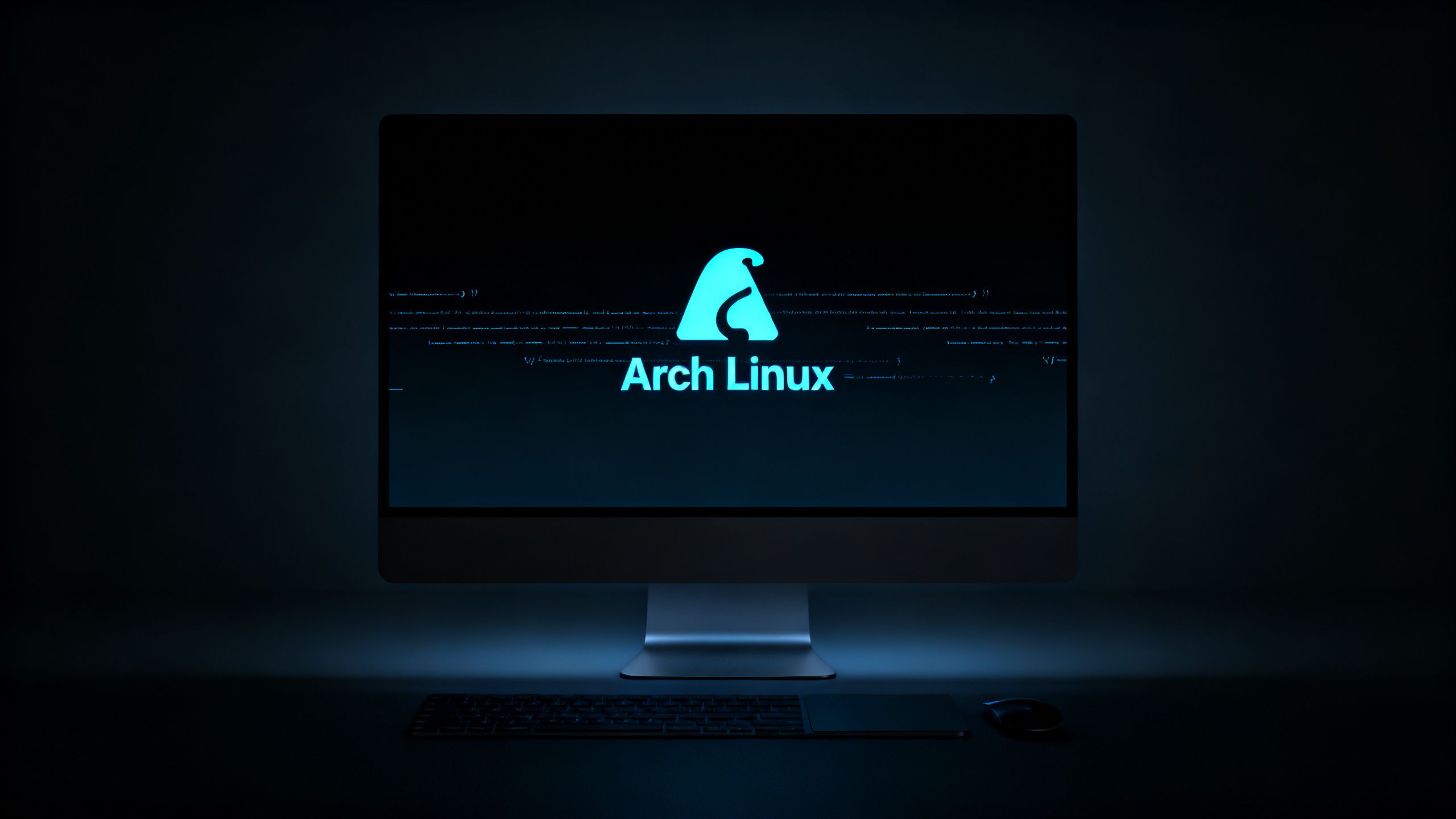
So, is Arch the best distro? No. It's the best distro for a very specific type of person—the tinkerer, the learner, the user who enjoys the process as much as the result. Its future is secure because it serves a dedicated niche that values absolute control. It's less like a consumer product and more like a complex kit, similar to how you can now make 1,000 AI podcast videos from a single image by combining different tools.
Before you install it, ask yourself the question posed in the video: Do you enjoy fixing things when they break? If so, you'll feel right at home. If not, there are plenty of other options that will respect your time a lot more.