 TechMediaArch.com |
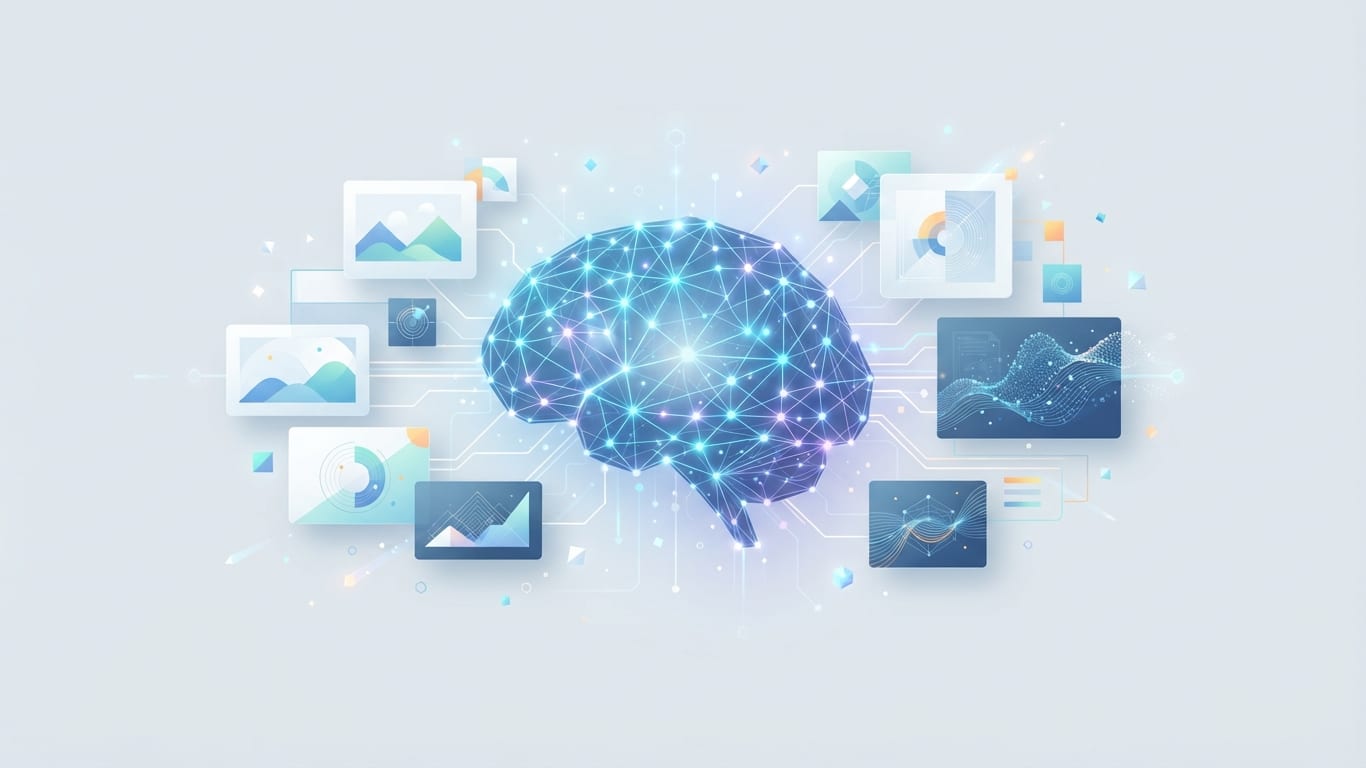
| Digital assistant node interacting with data streams |
Core Definition and Mechanics of Intelligent Agents
According to AWS, intelligent agents operate with autonomy to function without constant human intervention. They rely on goal-oriented behavior driven by maximizing success through a specific performance metric.
GeeksforGeeks notes that intelligent agents are a subset of artificial intelligence systems. These programs demonstrate cognitive behaviors like adaptive learning, planning, and problem-solving in dynamic environments.
Salesforce reports that intelligent agents act as advanced systems that analyze data and make decisions based on specific goals. They anticipate user needs while actively adapting to new tasks.
Autonomous capabilities allow these systems to evaluate continuous data streams without manual inputs.
How AI Agents Work in Modern Environments
According to Microsoft Copilot, AI agents function by observing their environment, interpreting data, and acting toward specific goals.
IBM states that AI agents use the advanced natural language processing capabilities of large language models. These capabilities let the software comprehend user inputs, execute tasks step-by-step, and automate complex enterprise workflows.
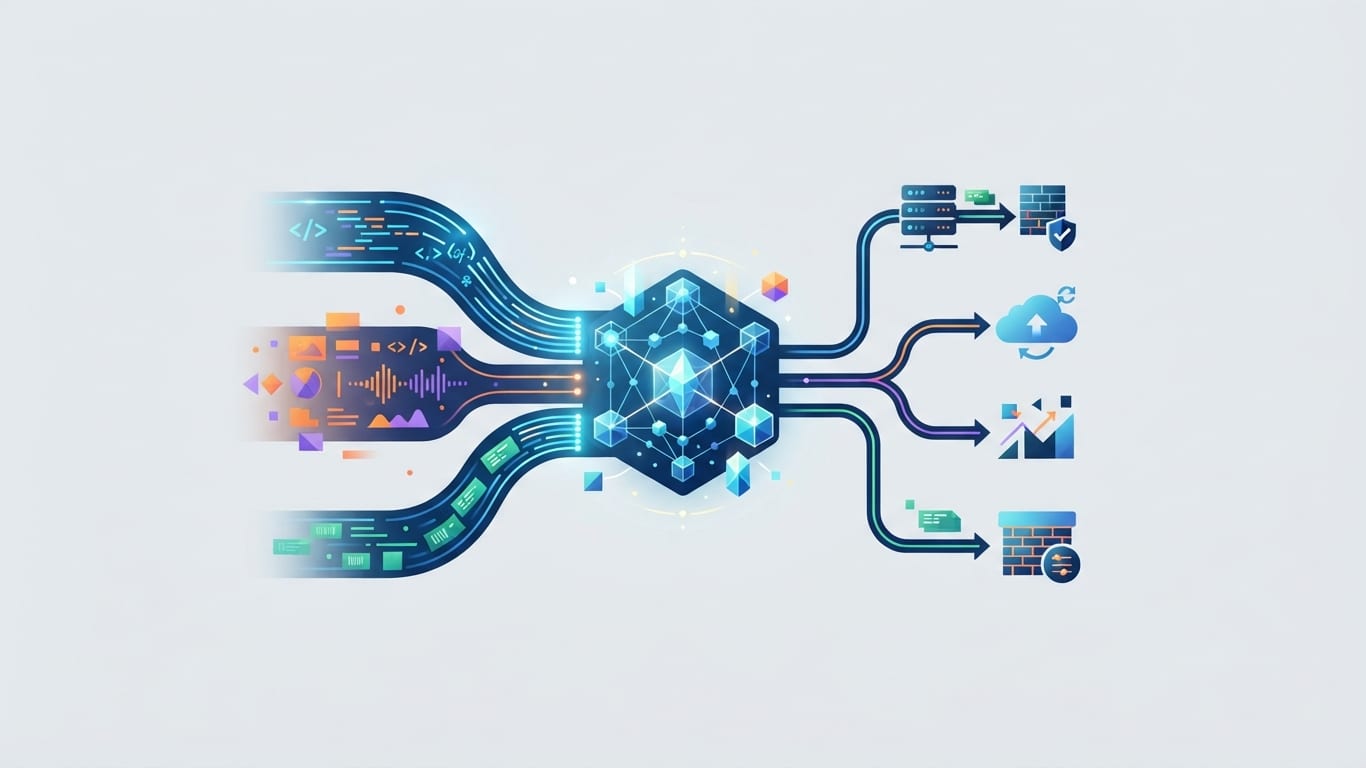
Google Cloud explains that AI agents process multimodal information simultaneously. This capability includes handling text, voice, video, audio, and code while reasoning, learning, making decisions, and working with other programs.
Real-time processing ensures that inputs from varied media formats translate into immediate digital actions. The mechanisms behind these systems connect directly to broader enterprise architectures, as explored further in Agentic AI vs. AI Agents: A Technical Distinction Beyond the Buzzwords.
Real-World Applications Across Industries
Intellectyx points out that AI agents find application across multiple sectors. These areas include banking and financial services, customer support, lead qualification, and IT process automation.
Amazon highlights the use of AI agents in contact centers. These systems automatically ask customer questions, look up information in internal documents, resolve queries, or pass them on to humans.
GeeksforGeeks lists several practical applications of intelligent agents in consumer and technical spaces:
- Self-driving cars navigating complex traffic environments
- Recommendation systems suggesting digital content to users
- Virtual assistants managing schedules and queries
- Game-playing artificial intelligence systems
Financial institutions rely on these automated tools to evaluate transactions and flag irregularities instantly. Retail platforms use similar programs to personalize digital storefronts for individual shoppers.
Deploying these automated workflows effectively is a major focus for emerging software firms, as detailed in Get Ready to Deploy a Fleet of AI Agents Startups.
Collaboration and Multi-Agent Systems
According to AWS, multiple AI agents can collaborate to automate complex workflows. They achieve this by exchanging data, utilizing specialized subtasks, and organizing under an orchestrator agent.
IBM notes that AI agent communication allows distributed systems to divide tasks among multiple specialized agents. This setup leads to better situational awareness, refined strategies, and faster problem-solving.
Google Cloud points out that individual agents are also built to work with other agents during data processing and decision-making.
Coordinated multi-agent networks handle large workloads by delegating specific steps to tailored sub-programs. This architecture prevents individual bottlenecks and accelerates total processing speeds.
 TechMediaArch.com |
| Autonomous software agent analyzing data and workflows |
Distinguishing Tasks from Overarching Frameworks
Moveworks explains that intelligent agents handle a wide range of business use cases by learning from actions and making decisions without explicit instructions.
Moveworks also clarifies that AI agents function as task-focused components carrying out specific actions. Meanwhile, agentic AI serves as the overarching capability that plans, reasons, and orchestrates multiple agents across systems.
Financial Investment and Development Costs
Intellectyx reports that AI agent development costs vary based on complexity. Simple rule-based bots range from $15,000 to $40,000.
Full enterprise multi-agent systems require significantly larger financial commitments. Intellectyx notes that advanced architectures cost between $300,000 and $800,000 or more.
These pricing tiers reflect the engineering required for advanced natural language processing and multimodal data handling. Proper cost estimation safeguards project budgets during early development cycles.
Enterprise Integration and Workflows
AWS notes that predetermined goals are chosen independently by the agent to guide self-directed tasks. This independence reduces the administrative overhead typically required for routine digital processes.
Salesforce observes that intelligent agents adapt to new tasks while analyzing continuous streams of business data. This adaptability keeps enterprise systems functional as operational requirements shift.
Building these operational frameworks requires strict adherence to data engineering standards. Developers rely on structured guides, such as the strategies outlined in:
- Strategies outlined in Blueprint for Building Your First Profitable AI Agent: Direct, Data-Driven Strategy from the Ground Up
- Strict adherence to data engineering standards
- Structured guides for developers
Integrating these software components into legacy infrastructure demands careful API management and security protocols. Successful implementations result in streamlined data pipelines across corporate networks.
FAQ
What are AI agents and how do they work?
According to AWS, AI agents are software programs that interact with an environment, collect data, and use it to perform self-directed tasks to meet predetermined goals chosen independently. Microsoft Copilot explains that they work by observing their environment, interpreting data, and acting toward specific goals to reduce repetitive work and guide faster decisions.
What is AI agents used for?
Intellectyx states that AI agents are applied across sectors like banking and financial services, customer support, lead qualification, and IT process automation. GeeksforGeeks lists additional practical applications including self-driving cars, recommendation systems, virtual assistants, and game-playing AI.
Is AI agents and agentic ai same?
Moveworks clarifies that AI agents and agentic AI are distinct concepts rather than the exact same thing. AI agents are task-focused components carrying out specific actions, while agentic AI is the overarching capability that plans, reasons, and orchestrates multiple agents across systems.
Can AI agents talk to each other?
Google Cloud notes that AI agents can work with other agents during processing and decision-making. AWS adds that multiple AI agents can collaborate to automate complex workflows by exchanging data, utilizing specialized subtasks, and organizing under an orchestrator agent.
How much do AI agents cost?
According to Intellectyx, AI agent development costs vary based on complexity. Expenses range from $15,000 to $40,000 for rule-based bots up to $300,000 to $800,000 or more for full enterprise multi-agent systems.
Sources
- What are AI Agents?- Agents in Artificial Intelligence Explained - AWS
- Intelligent Agent in AI - GeeksforGeeks
- What Are Intelligent Agents? A Guide (2026) | Salesforce
- What Are AI Agents? | IBM
- How Do AI Agents Work? AI Explained | Microsoft Copilot
- What are AI agents? Definition, examples, and types | Google Cloud
- What Are Intelligent AI Agents (Can They Really Work Alone)?
- Planning an AI Agent? Know the Real Development Costs Before You Build