Google's new video model, Omni, is generating considerable discussion. The featured video showcases a tool that moves beyond simple text-to-video generation, integrating multiple inputs for a single, cohesive output. This analysis extracts the core technical functions demonstrated and examines their practical implications for media creation. The development raises interesting questions about the balance between automated generation and the value of human creative thought.
Key Takeaways from the Video
Multi-Modal Integration: Omni accepts a combination of video, image, audio, and text prompts to influence a single creation, allowing for layered and specific control.
Character Consistency: The model can generate and reuse a character across multiple scenes, maintaining visual and vocal consistency, a long-awaited feature for storytelling.
Iterative Editing: Users can conversationally request changes to specific elements (like objects or camera angles) in a turn-based process without re-prompting the entire scene.
Physics and Context Awareness: The model demonstrates an understanding of physics like gravity and fluid dynamics, plus the ability to interpret complex contextual prompts for meaningful motion graphics.
The Technical Breakdown
At its heart, Omni is presented as a "thinking model." It leverages the underlying intelligence of Gemini to make decisions for every part of the video. This is a departure from models that simply translate text to pixels. It understands forces, allowing for the creation of realistic action sequences and complex chain-of-event animations. The video highlights its ability to process intricate text prompts, like generating an alphabet video with unusual items for each letter. This suggests a deeper semantic understanding than previous tools, a key differentiator in the performance of various advanced AI models.
Why This Development Matters
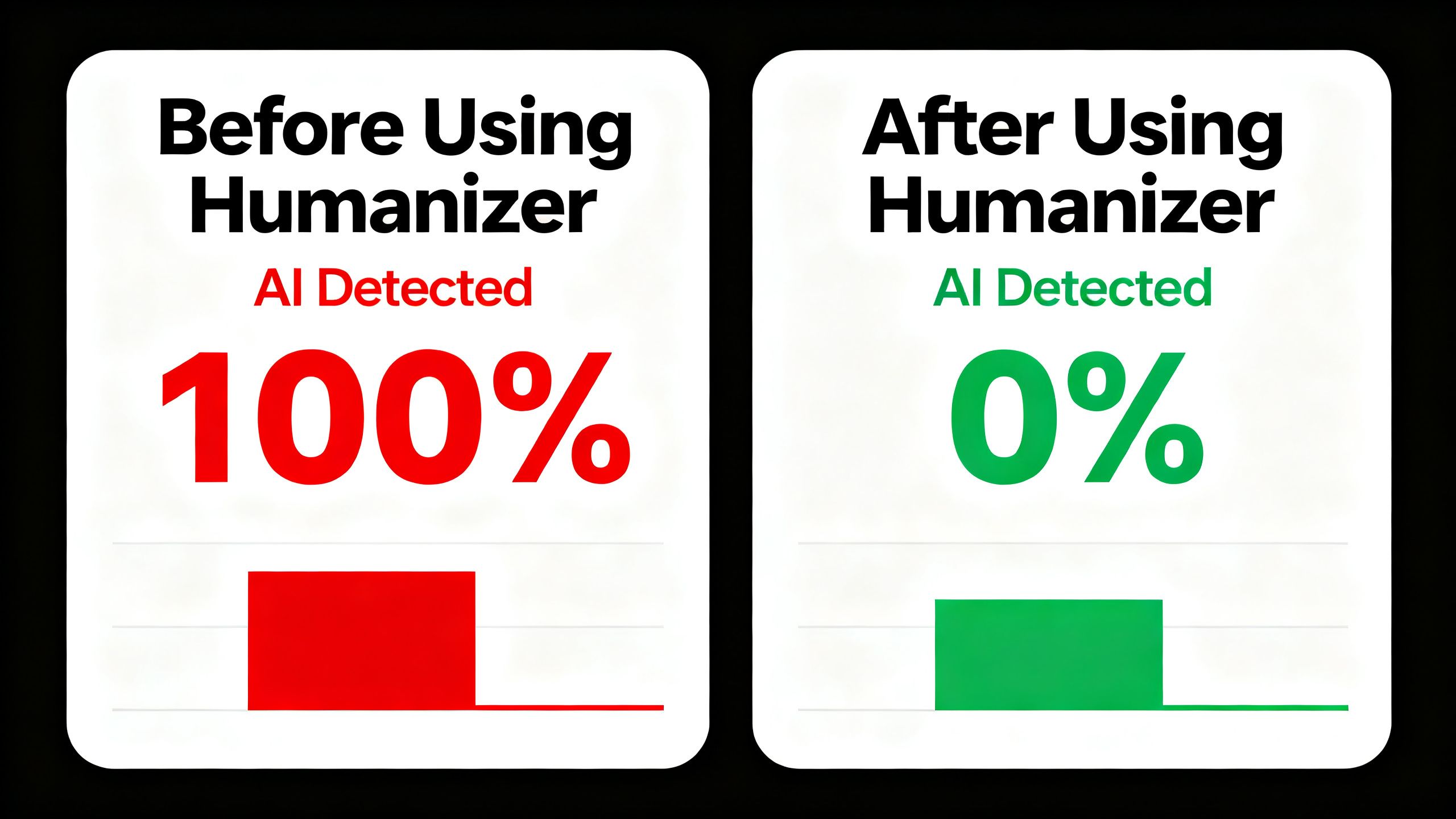
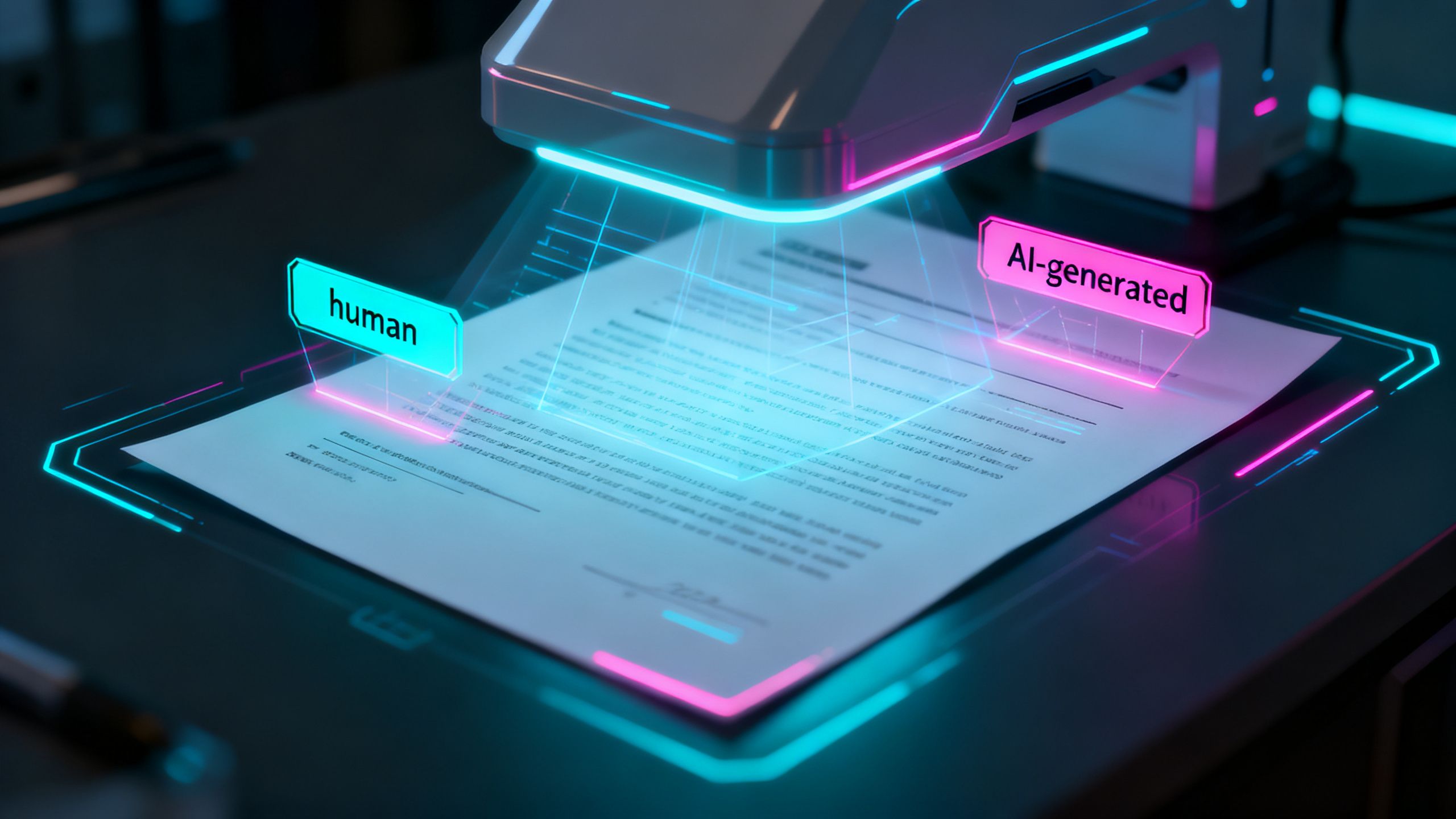
This technology changes the creative process. It's not just about replacing animators; it's about providing a powerful hybrid workflow. The video shows real footage being enhanced with cinematic special effects that would have previously required significant budgets. This democratizes access to high-production-value visuals. For educators or science communicators, it means the ability to generate accurate visual explainers for complex topics without needing a motion graphics team. As AI-generated media becomes more photorealistic and accessible, the conversation around its use and detection will only intensify, making it important to understand the ethical considerations surrounding AI-generated content. How AI detection tools work.
The Future of Google's new video model, Omni
Omni represents a significant step. The focus is shifting from generating isolated, impressive clips to building systems for creating complex projects. The ability to use references—an image, a sketch, a piece of music—is a more intuitive way to communicate creative intent than words alone. This gives creators more control and moves the challenge from technical wrangling to the core of creativity: having an original idea and communicating it effectively. The goal is no longer just to make AI content, but to refine it into something with a distinct voice, a challenge that involves altering the very statistical patterns of the text, a concept explored in tools that aim to improve the overall quality of AI-generated content. originality and readability. The question is no longer what the tool can do, but what a creator wants to say with it.
Frequently Asked Questions
How to use Google Omni to create videos?
Users can create videos by utilizing a combination of video, image, audio, and text prompts to influence a single creation. The model accepts these multiple inputs to provide layered and specific control over the output, moving beyond simple text-to-video generation.
How to use Google Omni to edit videos?
Users can edit videos conversationally by requesting changes to specific elements, such as objects or camera angles, in a turn-based process. This allows modifications to be made without needing to re-prompt the entire scene from scratch.
What is Google Omni?
Google Omni is presented as a thinking model that leverages the underlying intelligence of Gemini to make decisions for every part of a video. It is a new video model designed to integrate multiple inputs and understand physics and complex contextual prompts.
How does Google Omni handle physics in videos?
The model demonstrates a clear understanding of fundamental physics concepts, including gravity and fluid dynamics. This comprehension enables the creation of realistic action sequences and complex chain-of-event animations within the generated media.
What impact does Google Omni have on production budgets and workflows?
The technology changes the creative process by establishing a powerful hybrid workflow rather than simply replacing animators. Real footage can be enhanced with cinematic special effects that previously required significant budgets, successfully democratizing access to high-production-value visuals. Furthermore, educators and science communicators can generate accurate visual explainers for complex topics without needing a motion graphics team.