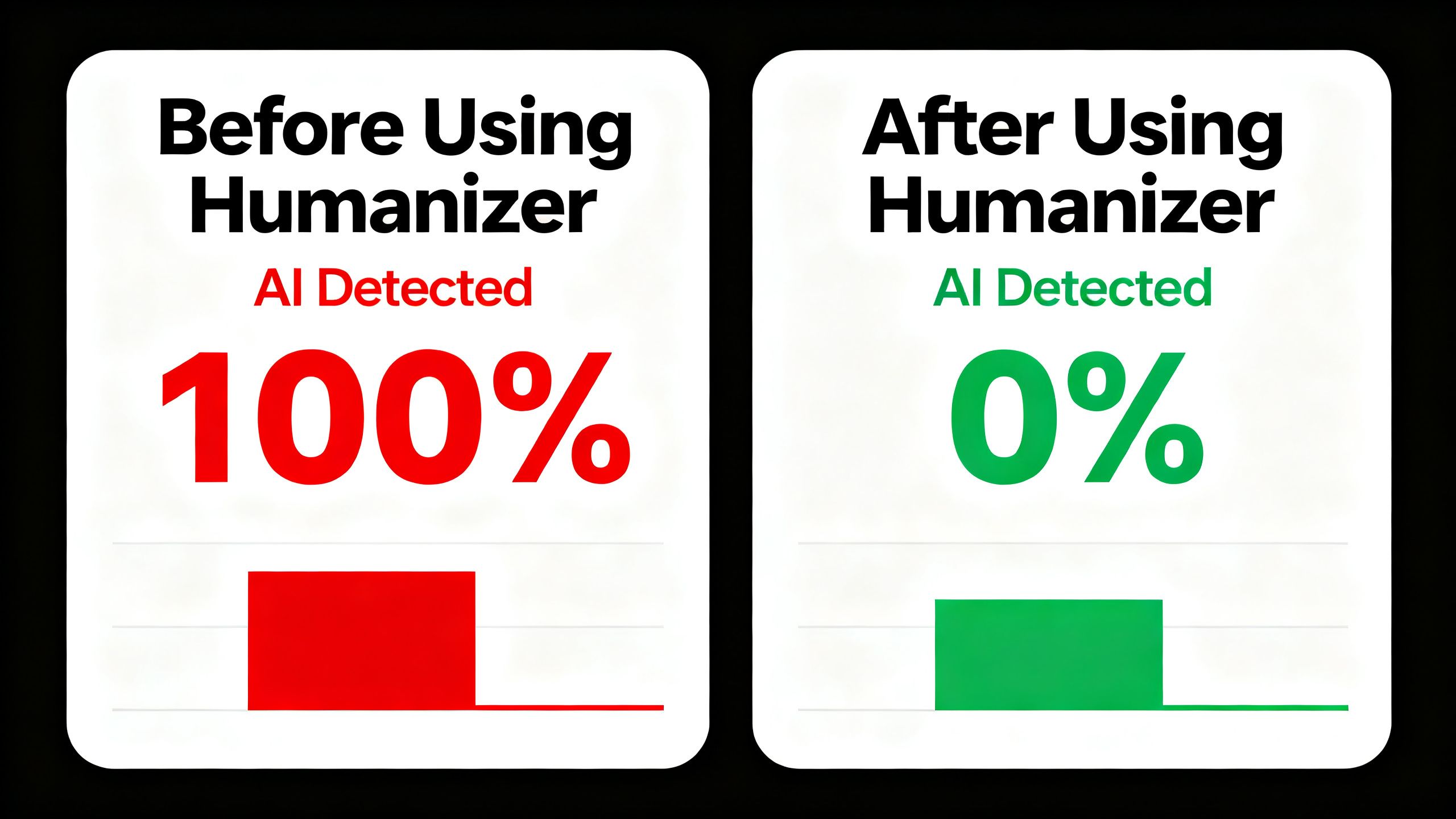
The latest video from Content at Scale tackles a growing concern for anyone publishing online. With predictions of the internet becoming saturated with synthetic content, how do you maintain originality? This analysis breaks down the technical function of AI detection as shown in the video and what its presence means for content creators.
Key Takeaways from the Video
AI detectors function by evaluating text to determine if it was written by a human or generated by a machine.
Experts forecast that up to 90% of online content could be synthetically generated by 2026, making authenticity a significant factor.
The tool highlighted combines AI detection with a plagiarism scanner to verify complete content originality.
Paid versions offer features to rewrite AI-generated text, aiming to make it indistinguishable from human writing.
The Technical Breakdown
At its core, an AI detector is a pattern-recognition system. The video explains that its tool uses a combination of algorithms, natural language processing (NLP), and semantic analysis to function. It isn't looking for specific keywords. Instead, it analyzes sentence structure, word choice predictability, and other linguistic tells that are characteristic of current-generation AI models. This technology is becoming a standard part of the modern content toolkit, much like grammar checkers and SEO analyzers. The sophistication of these systems is what allows them to process text and return a probability score. Many of the best AI tools to revolutionize your workflow now incorporate some form of this analysis.
 TechMediaArch.com
Why This Development Matters
This technology has immediate, practical implications. For marketers and website publishers, the primary concern is performance. Content that reads as robotic or inauthentic may not engage readers and could be viewed unfavorably by search engine algorithms. Ensuring content sounds human is a new form of quality control. It's a defense mechanism for brand voice. As companies explore new frontiers like AI video marketing, the need to verify authenticity across all media types will only grow. For creators, using these tools is becoming part of a responsible workflow, similar to how they might create stunning AI videos step-by-step by carefully refining prompts and styles.
The Future of AI Detection
The emergence of these detectors creates a feedback loop. As AI writing tools improve, the detectors must also become more sophisticated. The video presents this not as a simple cat-and-mouse game, but as an evolution in how we approach content creation. The objective shifts from simply producing text to ensuring that text, however it's made, is valuable, original, and connects with a human audience. This is especially true as content formats blend, and creators look for ways to turn one piece of media into many, as seen in playbooks for making viral podcast clips with AI. The focus will likely remain on the final quality of the output, not just its origin.
Frequently Asked Questions
How do AI detectors analyze text to determine its origin?
AI detectors operate as pattern-recognition systems that evaluate text to see if it came from a human or a machine. Instead of searching for particular keywords, the technology examines sentence structure, the predictability of word choices, and other linguistic markers typical of modern AI models. This process relies on a blend of algorithms, natural language processing, and semantic analysis to generate a probability score.
What specific features do paid versions of AI detection tools offer?
Paid versions of these detection tools provide additional capabilities designed to help content creators manage their output. Specifically, they include features that can rewrite AI-generated text. The goal of these rewriting features is to make the machine-produced content completely indistinguishable from actual human writing.
What percentage of online content do experts predict could be synthetically generated by 2026?
Experts have made significant forecasts regarding the future volume of material published across the internet. According to these projections, up to ninety percent of online content could be generated by artificial intelligence within a few years. This massive saturation makes verifying authenticity an increasingly vital factor for publishers and creators alike.
How are AI detection tools compared to other standard software in the modern content toolkit?
The technology behind AI detection is rapidly becoming a standard component of regular content creation workflows. The analysis provided by these tools serves a role similar to other established software categories. Specifically, they function much like traditional grammar checkers and search engine optimization analyzers that creators already use.
Why is ensuring content sounds human considered a new form of quality control for marketers?
For website publishers and marketers, maintaining a natural and authentic voice is crucial for audience engagement and performance. Content that reads as robotic or inauthentic risks failing to engage readers properly. Additionally, such material might be viewed unfavorably by search engine algorithms, making humanization an essential defense mechanism for brand voice.