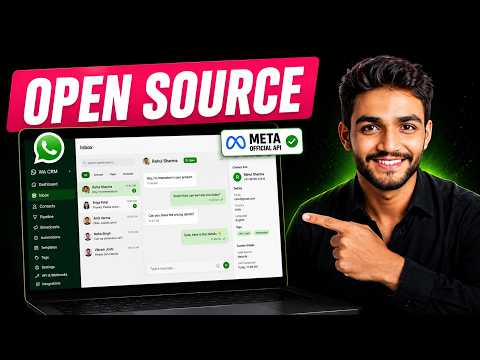
Executive Summary: A new video tutorial reveals Google Workspace Studio, an agentic AI platform designed to automate workflows directly within the Google ecosystem. This analysis breaks down its technical capabilities, its position as a Zapier alternative, and its real-world impact on business productivity.
The market for no-code automation has long been dominated by platforms like Zapier and Make.com. Google is now directly challenging this space with Google Workspace Studio, an integrated solution powered by Gemini AI. This move signals a major consolidation of productivity and automation tools, aiming to keep users entirely within Google's walled garden.
Key Takeaways from the Video
Integrated Automation: Workspace Studio is a native, no-code platform for building automated workflows, called "flows," using Gemini AI directly within Google Workspace.
AI-Powered Actions: Core functions include using Gemini to summarize content, extract specific data from emails or documents, and make decisions within a flow.
Event-Based Triggers: Automations can be initiated by schedules or specific events, such as receiving an email that contains certain keywords.
Direct Competition: The platform is explicitly positioned as an alternative to established third-party automation services, aiming to reduce reliance on external tools.
The Technical Breakdown
At its core, Google Workspace Studio operates on a simple but effective model: a "starter" initiates the automation, and a series of "actions" execute sequentially. The starter can be a schedule (e.g., every Monday at 8 AM) or an event (e.g., when an email arrives). The actions are where Gemini AI's power becomes apparent. As demonstrated in the video, a user can create a flow that not only identifies emails about sponsorships but also uses an "extract" action to pull out specific data points like the contact's name and the business name from the email body. These data points are then stored as variables that can be inserted into subsequent actions, such as drafting a personalized reply in Gmail. This showcases a level of intelligence beyond simple if-this-then-that logic, comparable to the advanced processing seen in other models like the Capabilities of Claude AI: A Deep Dive.
 TechMediaArch.com
Why This Development Matters
This is not just another tool. It is the integration of agentic AI into the daily work of millions. By embedding automation directly into Gmail and Drive, Google lowers the barrier to entry for creating complex, AI-driven workflows. This could fundamentally change how small businesses and enterprise teams handle repetitive tasks, from email management to data entry. The reliance on external tools could diminish, centralizing both data and processes within a single environment. This type of disruption, where an integrated solution from a major player challenges established third-party specialists, is a recurring pattern in the tech industry, similar to how fintech companies mean for banks a complete re-evaluation of their service models.
Objective Analysis: Strengths and Limitations
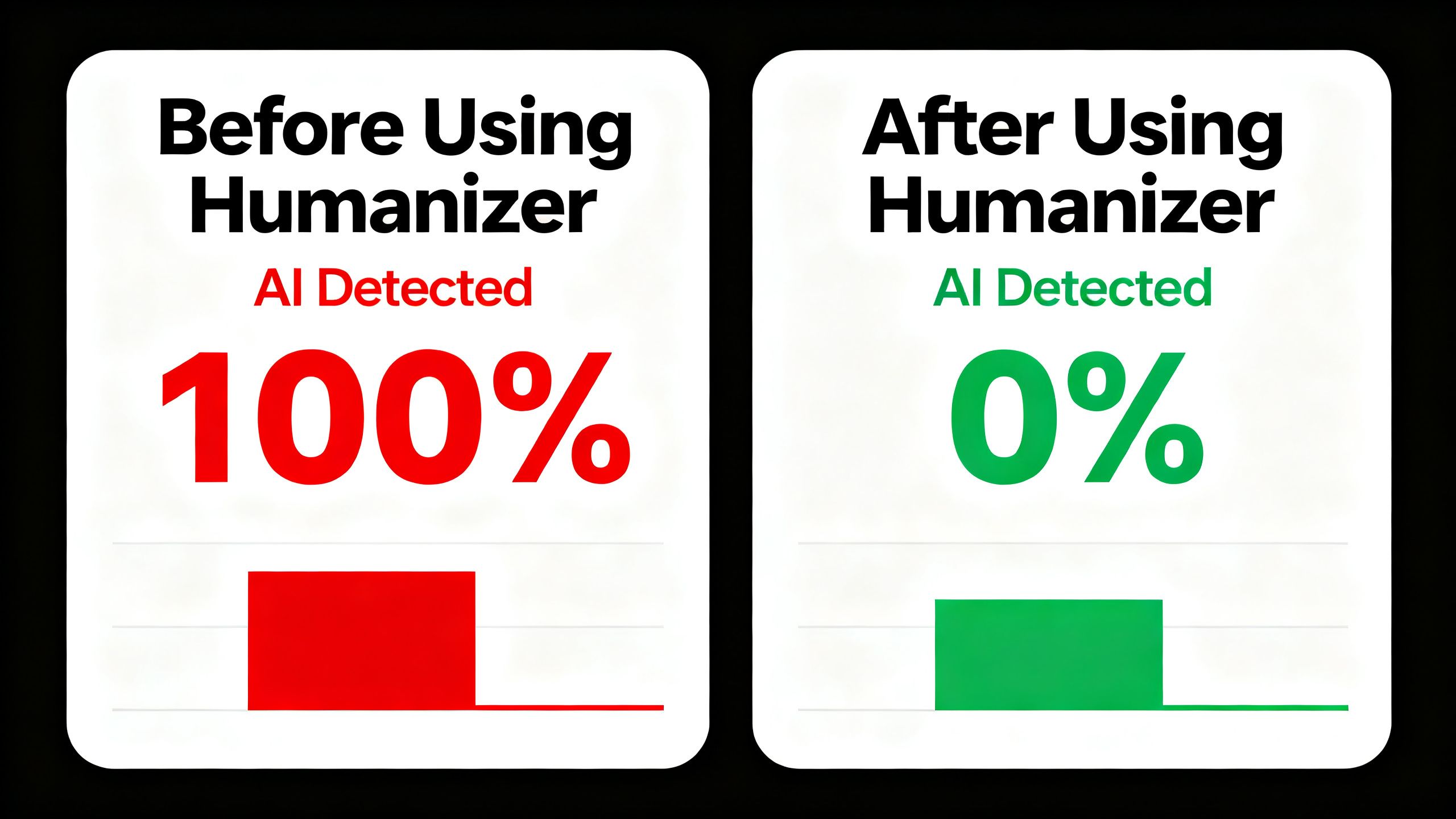
The primary strength is its native integration. There is no need for complex API connections to other Google services. The use of Gemini for tasks like data extraction is a significant advantage over simpler automation tools. For organizations already invested in Google Workspace, this offers a streamlined and potentially more secure option. However, the platform's utility is currently tied to the Google ecosystem. It is also a paid feature, requiring a Workspace subscription with Gemini enabled, which may be a barrier for some. Furthermore, as with any AI-generated content, the output requires human oversight. The reliability of AI-generated summaries and emails brings up questions about accuracy and tone, echoing broader concerns about whether AI detection can be trusted in professional contexts.
The Analyst's Verdict
Google Workspace Studio is more than a Zapier-clone. It is a strategic play to embed agentic AI deep into the fabric of work. For the millions of businesses running on Google Workspace, this is a powerful, native solution that will be difficult to ignore. While it may not replace highly specialized, cross-platform automation setups immediately, it represents a fundamental shift in making AI-powered automation accessible and integrated. This is not a passing trend; it is the future of productivity suites.
Frequently Asked Questions
What is Google Workspace Studio?
Google Workspace Studio is a native, no-code platform designed for building automated workflows using Gemini AI directly within the Google ecosystem. It functions as a direct alternative to established third-party automation services like Zapier and Make.com by allowing users to create event-based or scheduled flows. This integrated solution aims to streamline productivity and reduce reliance on external tools for managing repetitive tasks.
How do automated flows start in Google Workspace Studio?
Automated flows in the platform are initiated by a designated starter, which can be configured as a specific schedule or an event. For example, a flow can be triggered automatically every Monday at a certain time or when a new email arrives containing specific keywords. Once initiated, the flow proceeds to execute a series of subsequent actions.
What role does Gemini AI play in these automated workflows?
Gemini AI powers the core functions within the platform, enabling tasks such as summarizing content and extracting specific data from emails or documents. It provides the intelligence needed to make decisions within a flow and allows users to store extracted data points as variables. These variables can then be utilized in later steps, such as drafting a personalized reply in Gmail.
What are the primary strengths of Google Workspace Studio?
The main advantage of the platform is its native integration within the existing Google ecosystem, eliminating the need for complex API connections to other Google services. The incorporation of Gemini for advanced tasks like data extraction provides a significant upgrade over simpler automation tools. For organizations already using Google Workspace, it offers a streamlined and potentially more secure operational option.
What limitations or barriers are associated with using this new platform?
The platform's usefulness is currently restricted to the Google ecosystem, and it functions as a paid feature that requires a Workspace subscription with Gemini enabled. This financial requirement may serve as a barrier for some users and organizations. Additionally, the reliance on AI-generated outputs necessitates human oversight to ensure proper accuracy and tone.